
What Are You Looking For?
What Are You Looking For?
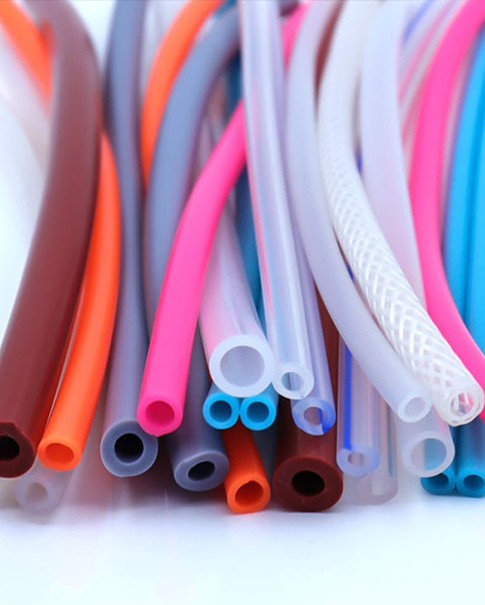

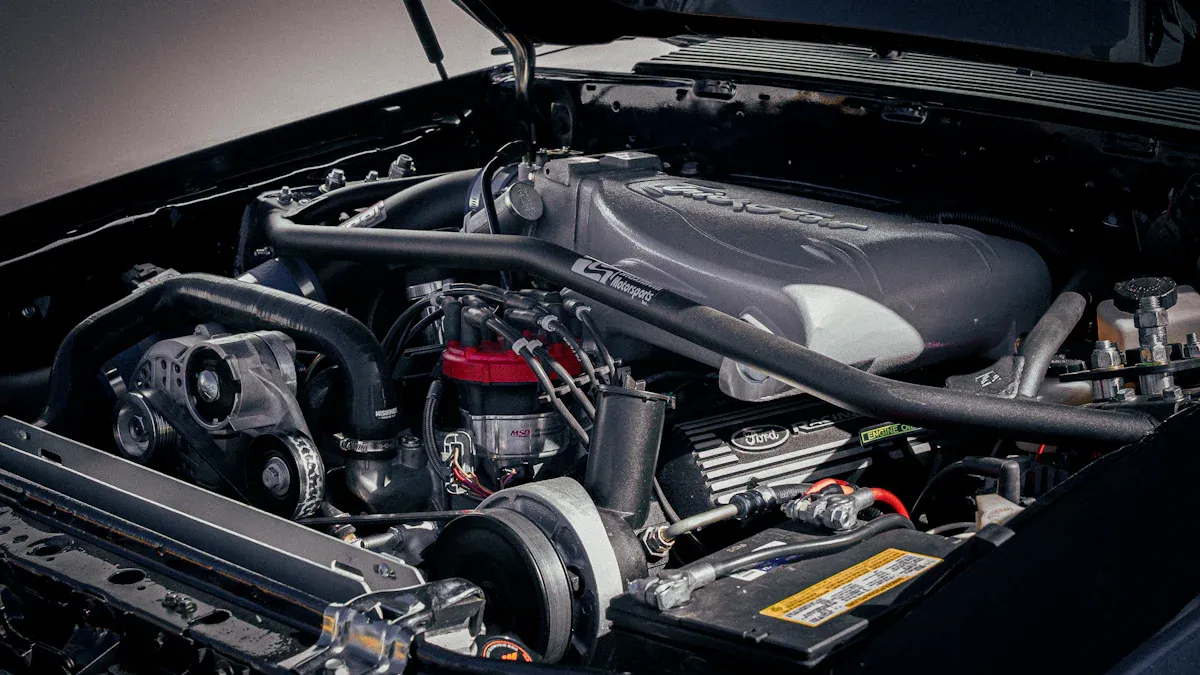
I often get asked if a Fuel Cell Silicone Hose is a smart investment. I appreciate its heat resistance, flexibility, and durability. However, I know fuel permeability and cost can be drawbacks. I trust Rainbow for reliable quality, but I always consider my specific application before deciding.
Fuel Cell Silicone Hoses offer excellent heat resistance, making them ideal for environments with extreme temperature changes. This prevents unexpected failures in fuel cell systems.
Flexibility is a key advantage of silicone hoses. They bend easily, allowing for easier installation in tight spaces without kinking or collapsing.
While silicone hoses are durable, they can be more expensive than standard hoses. Always consider your budget and the specific needs of your application before making a choice.
I have seen how a Fuel Cell Silicone Hose stands up to extreme temperatures. When I work with fuel cell systems, I notice that heat can quickly damage standard rubber hoses. Silicone hoses, on the other hand, handle both high and low temperatures without losing their shape or strength. I often recommend them because they can withstand repeated heating and cooling cycles. This makes them ideal for environments where temperature changes happen often. I trust Rainbow hoses for their consistent performance in these demanding conditions.
Tip: If your fuel cell setup faces frequent temperature swings, silicone hoses can help prevent unexpected failures.
I value flexibility when I install hoses in tight engine bays or compact fuel cell systems. A Fuel Cell Silicone Hose bends easily without kinking or collapsing. This flexibility allows me to route hoses around obstacles and fit them into small spaces. I find installation much easier compared to rigid or stiff alternatives. Rainbow hoses, in particular, offer a smooth and pliable feel that speeds up my work and reduces frustration.
Easy to route in confined spaces
Maintains shape even when bent
Reduces installation time
Durability matters to me because I want components that last. I have used Fuel Cell Silicone Hoses that remain reliable after years of service. Silicone resists cracking, splitting, and hardening, even when exposed to harsh chemicals or UV light. I notice that Rainbow hoses keep their integrity longer than many generic brands. This durability means fewer replacements and less downtime for maintenance.
I have seen hoses get bumped or knocked during routine checks or repairs. A Fuel Cell Silicone Hose absorbs impacts better than many other materials. The thick silicone walls cushion against accidental hits, which helps prevent leaks or ruptures. I appreciate this extra layer of protection, especially in busy workshops or mobile applications.
Note: While no hose is indestructible, silicone offers a good balance between flexibility and impact resistance.
I rely on Rainbow for hoses that combine all these benefits. Their products help me build safer and more reliable fuel cell systems.
I have noticed that a Fuel Cell Silicone Hose sometimes allows fuel molecules to seep through its walls. This permeability can lead to vapor loss or even fuel odors in the workspace. When I work with sensitive fuel cell systems, I pay close attention to this issue. Some fuels, especially those with aggressive chemicals, can pass through silicone more easily than through other materials. I always check the specifications and test the hose before installation. If I need to minimize fuel loss, I consider using a liner or selecting a hose with lower permeability.
Note: Careful selection is essential. Not every silicone hose suits every fuel type.
I have seen silicone hoses become brittle after years of exposure to heat, chemicals, and UV light. This brittleness can cause cracks or leaks, especially in older fuel cell systems. I inspect hoses regularly and replace them when I see signs of hardening or surface damage. Although silicone resists many environmental factors, it does not last forever. I recommend storing spare hoses away from direct sunlight and extreme temperatures to extend their lifespan.
Inspect hoses for stiffness or cracks
Replace hoses showing signs of brittleness
Store hoses in cool, dry places
I always check compatibility before installing a Fuel Cell Silicone Hose. Some fuels and additives react with silicone, causing swelling, degradation, or leaks. I consult manufacturer charts and test samples when I work with new fuel blends. Compatibility issues can lead to system failures or safety hazards. I never assume that a silicone hose will work with every fuel. I rely on trusted brands and clear documentation to guide my choices.
|
Fuel Type |
Silicone Hose Compatibility |
|---|---|
|
Gasoline |
Limited |
|
Ethanol |
Limited |
|
Diesel |
Moderate |
|
Hydrogen |
Good |
|
Methanol |
Limited |
Tip: Always verify compatibility with your specific fuel before installation.
I have found that Fuel Cell Silicone Hose costs more than standard rubber or plastic hoses. The higher price reflects its advanced properties, but it can strain a project budget. I weigh the benefits against the expense when I plan a fuel cell system. Sometimes, I choose silicone for critical areas and use less expensive materials elsewhere. Mechanical strength can also be a concern. Silicone hoses may not handle high-pressure applications as well as reinforced alternatives. I balance cost, performance, and safety for each project.
Higher upfront cost
May require reinforcement for high-pressure use
Consider budget and application needs
Alert: Evaluate both cost and mechanical strength before making a final decision.
I always start by looking at the specific requirements of my project. I ask myself what type of fuel the system uses, what temperature range the hose must handle, and how much pressure it will face. I consider the space available for installation and whether the hose needs to bend around tight corners. When I choose a Fuel Cell Silicone Hose, I check if it matches the chemical compatibility and mechanical strength needed for the application. I never skip this step because the wrong hose can lead to leaks or system failures.
Tip: Write down your system’s fuel type, temperature range, and pressure before shopping for hoses.
I know that silicone is not the only option. Sometimes, I use fluorocarbon, PTFE, or reinforced rubber hoses. Each material has its own strengths and weaknesses. For example, PTFE hoses resist fuel permeability better than silicone, but they can be less flexible. Reinforced rubber works well for high-pressure systems, but it may not last as long in extreme heat. I compare these alternatives based on cost, durability, and compatibility with the fuel.
|
Hose Material |
Flexibility |
Heat Resistance |
Fuel Permeability |
Cost |
|---|---|---|---|---|
|
Silicone |
High |
High |
Moderate |
Higher |
|
PTFE |
Moderate |
High |
Low |
High |
|
Reinforced Rubber |
Moderate |
Moderate |
Low |
Lower |
I make regular inspection a habit. I check hoses for cracks, stiffness, or discoloration every few months. I replace any hose that shows signs of wear. I also keep hoses clean and free from oil or debris. Proper storage extends hose life, so I store spares in a cool, dry place away from sunlight. These steps help me avoid unexpected failures and keep my fuel cell system running safely.
Alert: Regular maintenance prevents costly breakdowns and extends the life of your hoses.
I see clear benefits in using Fuel Cell Silicone Hoses: heat resistance, flexibility, and durability. Drawbacks include fuel permeability and higher cost. I choose Rainbow hoses for reliable performance. For most fuel cell projects, I recommend Rainbow silicone hoses if you need quality and long-term value.
I trust Rainbow hoses for their consistent quality. I notice they last longer and resist heat better than many generic options.
I always check compatibility charts. Some fuels, like gasoline or ethanol, can damage silicone. I recommend testing before installation.
I inspect hoses every few months. If I see cracks, stiffness, or leaks, I replace them right away to avoid system failures.
Looking For A Reliable Business Partner For Your Next Project?

Business Enquiries
+86 15160066997