
What Are You Looking For?
What Are You Looking For?
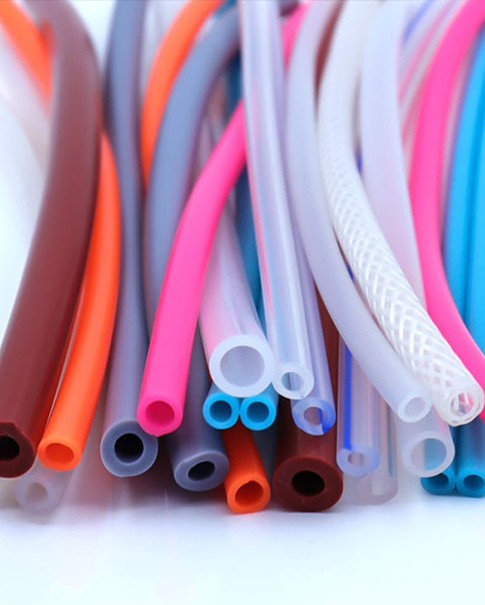

You often see hoses in engines and machines. These hoses must handle tough conditions. A Silicone Coolant Hose resists heat and damage better than many other materials. You can trust this type of hose in high-performance settings. It helps keep your equipment running smoothly and safely.
Silicone coolant hoses last longer than rubber hoses, with a lifespan of 10-15 years, reducing the need for frequent replacements.
These hoses resist extreme temperatures and chemicals, making them ideal for automotive, industrial, and marine applications.
Proper installation using spring clamps and following torque guidelines ensures a secure fit and prevents leaks.
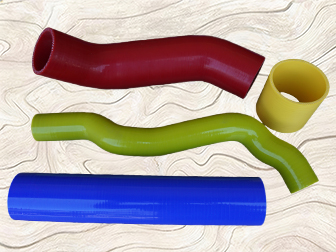
You rely on a silicone coolant hose to move coolant through your engine or machinery. Silicone stands out because it resists chemicals and does not absorb water. The material stays stable even when exposed to oils and antifreeze. You notice that silicone feels smoother and softer than rubber. This quality helps you install hoses easily and ensures a tight fit. Rainbow offers silicone coolant hoses that use high-grade silicone for consistent performance.
Silicone coolant hoses last much longer than rubber hoses. You can see the difference in the average lifespan:
|
Hose Type |
Expected Service Life |
|---|---|
|
Silicone |
10–15+ years |
|
Rubber |
Shorter than silicone |
You avoid frequent replacements when you choose silicone. The hose resists cracking and stays flexible over time. You benefit from fewer leaks and less downtime. Rainbow designs silicone coolant hoses to withstand years of use in demanding environments.
You need a hose that handles extreme heat. Silicone coolant hoses offer excellent temperature resistance. The material stays strong in hot engine bays and under pressure. You can trust silicone to keep its shape and seal even in turbocharged engines. This temperature resistance protects your equipment and prevents failures. You notice that silicone coolant hoses perform well in both high and low temperatures.
Tip: Silicone coolant hoses maintain flexibility after extended use, adapting to engine vibrations without losing their seal. Rubber hoses can lose flexibility, making installation harder and increasing the risk of leaks.
You gain several advantages when you choose silicone coolant hoses instead of rubber hoses:
Superior heat cycling capabilities
Resistance to surface cracking
Maintenance of dimensional stability under repeated pressure cycles
Silicone coolant hoses keep their flexibility and shape, reducing maintenance costs. You experience fewer issues with leaks and loose connections. Rainbow provides silicone coolant hoses that deliver reliable performance and help you save money over time.

You see silicone hose used in many automotive applications. These hoses carry coolant between the engine, radiator, and heater core. You rely on their flexibility and resistance to high temperatures for consistent performance. Many car owners upgrade to silicone radiator hose for better durability and appearance. You notice that silicone hoses handle engine vibrations and pressure changes without cracking. This makes them ideal for high-performance vehicles and racing cars. You also benefit from their corrosion resistance, which protects your cooling system over time.
When you install a silicone coolant hose, you should follow industry standards. The Society of Automotive Engineers sets guidelines like SAEJ20 and SAEJ30 for these components. You need to place clamps about a quarter inch from the end of the coupler’s barb. Spring clamps work best because they maintain pressure as the hose expands and contracts. For worm-gear clamps, you should use a torque of 25 to 35 inch-pounds. This ensures a snug fit and prevents leaks.
You find silicone hose in many industrial sectors. These hoses move fluids and provide cooling in factories, power plants, and HVAC systems. The table below shows where you might use silicone coolant hoses:
|
Sector |
Description |
|---|---|
|
Automotive |
Utilized in passenger cars and commercial vehicles for fluid transfer and cooling. |
|
Industrial |
Used in applications requiring efficient cooling systems. |
|
HVAC |
Part of systems that demand effective cooling solutions. |
You choose silicone for its resistance to chemicals and extreme temperatures. This material keeps its shape and flexibility, even in harsh environments. You see fewer failures and less downtime when you use silicone hoses in your equipment. Rainbow offers silicone hose options that meet the demands of industrial applications. You can trust these hoses for reliable performance and long service life.
You depend on silicone hose in marine environments for engine cooling and bilge systems. These applications require hoses that resist saltwater, oil, and vibration. You might use raw water intake hoses to bring water from outside the boat to cool the engine. Reinforced hoses, like Shields Series 250 and Series 252, prevent collapse under suction. For bilge systems, you need hoses that handle waste and remain flexible. Examples include Series 148 Multi-Purpose and Shields Multiflex Hose.
You also find silicone hoses in specialty vehicles, laboratory equipment, and food processing. Their resistance to heat and chemicals makes them suitable for many unique applications. You benefit from the long-term performance and safety these hoses provide.
Note: Silicone hoses offer excellent resistance to UV, ozone, and weathering. This makes them a smart choice for outdoor and marine applications.
You must consider several factors when selecting a silicone hose for your system. The right choice ensures safety, performance, and durability. The table below outlines key points:
|
Factor |
Description |
|---|---|
|
Pressure Rating |
High-pressure applications require hoses with thicker walls or multiple plies for durability. |
|
Compatibility |
Silicone hoses are not suitable for petroleum-based fluids; alternatives like NBR or fluorosilicone are needed for specific applications. |
|
Construction Layers |
Hoses come in various ply counts; 2-ply for low pressure, 3-4 ply for high pressure and turbo applications. |
|
Temperature Ratings |
Most silicone hoses are rated to 180°C; higher ratings are necessary for applications near exhaust components. |
You should match the hose to your application’s pressure and temperature needs. You also need to check fluid compatibility. For example, silicone hose does not work with petroleum-based fluids. You may need NBR or fluorosilicone for those cases. You should choose the right number of layers for your pressure requirements. Rainbow provides a range of silicone coolant hoses designed for different applications. You can find options that fit your performance and durability needs.
You improve system reliability and safety when you select the correct silicone hose. You also reduce maintenance costs and extend equipment life. Always follow installation guidelines for the best results.
You gain reliable performance with Rainbow silicone coolant hoses. Recent studies show spring clamps work best for maintaining hose integrity. Manufacturers face stricter EPA and SAE regulations, so they adopt sustainable practices. Market trends include rising demand for durable hoses in electric vehicles and stricter emission standards.
Choose silicone hoses for safety and longevity.
Follow installation guidelines for optimal results.
You get higher heat resistance, longer life, and better flexibility with silicone. Rainbow silicone hoses also resist cracking and chemical damage.
You should not use silicone hoses with petroleum-based fluids. For those, you need a different material like NBR or fluorosilicone.
You should use spring clamps and follow torque guidelines. This helps you prevent leaks and ensures a secure fit for your Rainbow silicone hose.
Looking For A Reliable Business Partner For Your Next Project?

Business Enquiries
+86 15160066997