
What Are You Looking For?
What Are You Looking For?
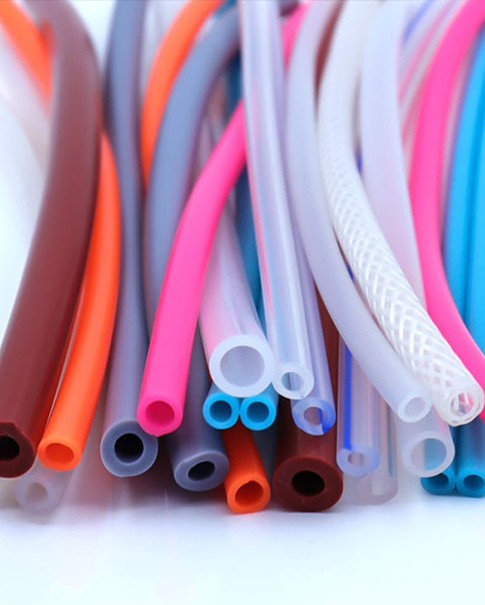

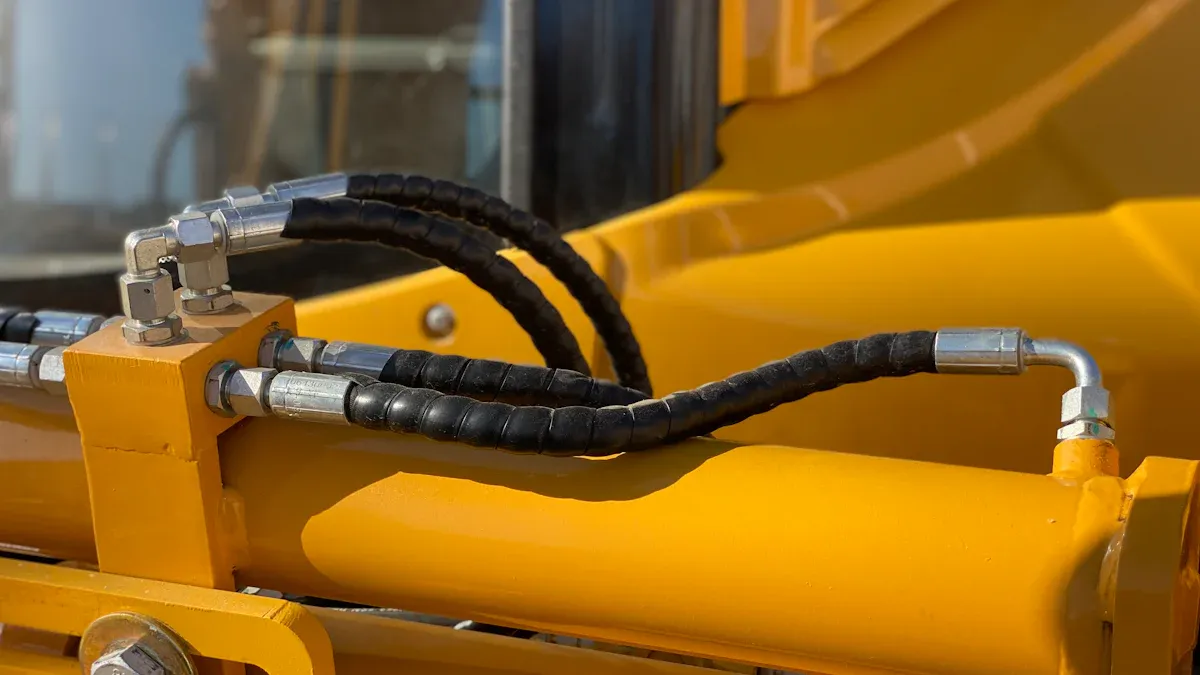
A custom silicone hose coupler reducer connects two hoses with different diameters that do not line up perfectly. You use this part when you need to join a 2-inch hose to a 2-1/2-inch hose, often with a 3-inch length. Made from high-temperature 4-ply reinforced silicone, it handles heavy-duty pressure and heat. This coupler meets SAEJ20 industry standards, so you can trust it in high-performance automotive, marine, or industrial systems.
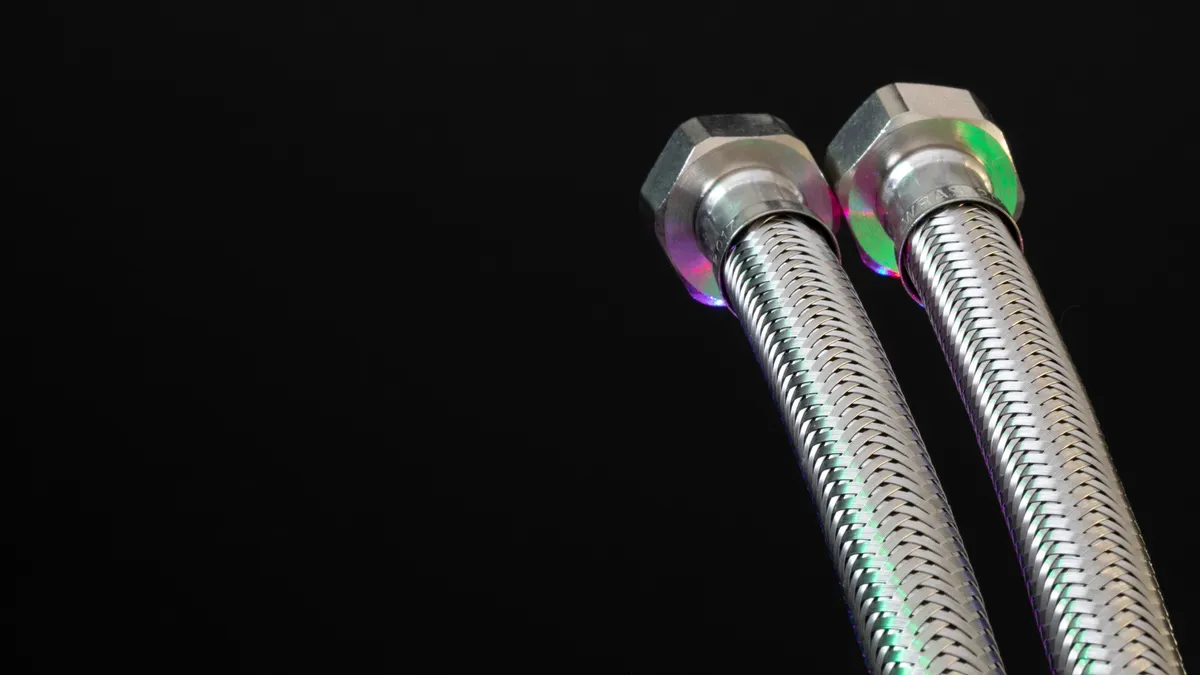
You use a Custom Offset Silicone Hose Coupler Reducer when you need to connect hoses with different diameters that do not line up. This part helps you solve problems in tight spaces where straight connections will not work. You can find it in high-performance engines, industrial machines, and marine systems. The main features include:
Tip: You can use a Custom Offset Silicone Hose Coupler Reducer to improve airflow and reduce leaks in your setup.
Manufacturers build the Custom Offset Silicone Hose Coupler Reducer with strong materials. You get a product made from 4-ply reinforced high-temperature silicone. This construction meets or exceeds the SAEJ20 standard, which means you can trust its quality and performance. Many couplers use silicone rubber with polyester reinforcement. This combination gives you flexibility and strength.
The multi-layer design lets the coupler withstand high under-hood temperatures and pressure. You do not have to worry about ballooning or collapse. The coupler keeps its shape and provides a reliable seal. You also benefit from flexibility, which absorbs engine vibrations and protects piping. This robust construction helps you use the coupler in tough environments.
Some couplers meet certifications like USP Class VI, FDA approval, and NSF-51. These certifications show that you can use them in medical, food, and beverage applications.
| Material | Reinforcement | Certifications |
|---|---|---|
| Silicone Rubber | 4-ply Polyester | SAEJ20, USP Class VI, FDA, NSF-51 |
You get a Custom Offset Silicone Hose Coupler Reducer that lasts longer and works better in critical systems.
When you use a Custom Offset Silicone Hose Coupler Reducer, you solve alignment problems between hoses. Sometimes, two hoses have different diameters and do not line up perfectly. This is where the offset design helps you. The coupler lets you join hoses that are parallel but not directly in line with each other.
This design gives you flexibility in tight engine bays or crowded machinery. You can connect hoses without forcing them into awkward positions. The coupler absorbs small movements and vibrations, which protects your system from leaks or damage.
Note: Always check the bend radius during installation. This helps you avoid stress on the hose and keeps your system safe.
You need a hose coupler that stands up to heat and pressure. Food grade silicone hoses work better than regular rubber hoses in tough conditions. The table below shows how silicone hoses compare to rubber hoses:
| Feature | Silicone Hoses | Rubber Hoses |
|---|---|---|
| Temperature Resistance | Withstands extreme temperatures | Tends to crack and degrade |
| Pressure Handling | Maintains integrity under high pressure | Often collapses or deforms |
| Durability | Resists degradation from chemicals and UV rays | Prone to leaks and performance loss |
| Flexibility | Highly flexible | Less flexible |
You get strong performance from a custom offset silicone hose coupler reducer. The silicone material resists cracking and keeps its shape, even when the engine gets hot or the system faces high pressure. You do not have to worry about leaks or sudden failures. The coupler also stands up to chemicals, UV rays, and ozone, so it lasts longer in harsh environments.
Looking For A Reliable Business Partner For Your Next Project?

Business Enquiries
+86 15160066997