
What Are You Looking For?
What Are You Looking For?

Yes. IATF 16949, the global standard for automotive quality management systems, is a specific certification required for automotive fuel cell silicone tubing. It ensures stable production, controlled processes, and consistent product quality, which are critical for safety, performance, and regulatory approval.
Fuel cell silicone tubing must meet strict certifications like ISO 9001, IATF 16949, and SAE J2643 to ensure quality and performance.
Regulatory standards such as REACH, RoHS, and NFPA are essential for environmental safety and hydrogen system compliance.
Always verify supplier certifications and request documentation to guarantee your tubing meets all required standards.
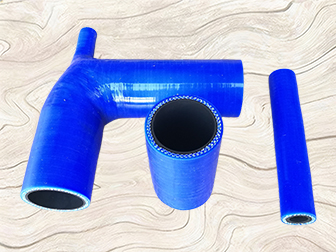
You need more than a basic material datasheet when you select tubing for a fuel cell system. The specific certifications required for this application begin with quality management systems that govern how manufacturers produce the tubing. IATF 16949, the global standard for automotive quality management systems, ensures stable production, controlled processes, and consistent product quality.
IATF 16949 goes further. This global standard for automotive quality management systems enforces strict tolerance controls for critical components. For your Fuel Cell Silicone Hose, this certification enables full traceability of every part through the production system. It supports defect prevention before issues occur, directly contributing to manufacturing consistency. IATF 16949 explicitly ensures stable production and controlled processes. It guarantees consistent product quality beyond one-time compliance. When you see this certification, you know the supplier operates within an ISO-certified production system designed for long-term durability under harsh operating conditions.
Material performance standards address the specific requirements for fuel system components, including testing protocols for permeation resistance and compatibility with hydrogen and other fuels. Your Silicone Radiator Coolant Hose must withstand thermal extremes without degrading. Such standards validate that performance through standardized test methods you can trust.
Another standard classifies rubber materials by their performance characteristics, establishing a system that specifies hardness, tensile strength, and temperature resistance. When your supplier references such a standard, you can verify the exact material grade meets your application requirements.
These quality management and material performance standards work together to ensure your Coolant Hose delivers consistent quality and reliable operation.
Material performance alone does not satisfy regulatory requirements. The specific certifications required also include environmental and safety regulations that protect people and the planet.
Some certifications confirm that the material contains no harmful extractables, providing a baseline for material safety that many automotive specifications reference.
Environmental regulations restrict hazardous chemicals in manufactured products. Your tubing supplier must document that their silicone compounds contain no restricted substances above allowable limits, ensuring your fuel cell system meets environmental standards across global markets.
Fire safety requirements for hydrogen systems address ventilation, leak detection, and material compatibility. Your silicone tubing must meet these requirements to ensure safe operation in hydrogen environments.
Requirements for hydrogen vehicle fueling components cover pressure ratings, leak resistance, and durability testing. Compliance with such standards demonstrates your tubing can handle the demands of automotive hydrogen service.
These regulatory requirements complement the quality standards, addressing safety, environmental, and hydrogen-specific concerns. Together, they form a comprehensive framework that ensures your fuel cell system operates safely and legally.
You need testing that validates your silicone tubing under real operating conditions. Independent evaluations cover electrical safety, thermal stability, and hydrogen compatibility, ensuring your tubing withstands automotive service demands without failure.
Your Fuel Cell Silicone Hose must pass rigorous examinations that simulate years of service in a compressed timeframe, challenging different failure modes. Passing these tests demonstrates comprehensive material reliability.
These performance tests validate material behavior under real-world conditions. They confirm your Silicone Radiator Coolant Hose maintains integrity through thermal extremes and continuous operation. Without this testing, you cannot verify the tubing meets your system requirements.
Certification documentation provides your proof of compliance. You must audit suppliers to verify their certifications remain current and valid. Request key documents from every potential supplier. These include Certificates of Analysis for raw materials and finished goods. Batch manufacturing records show production details for each lot. Lot traceability documentation tracks material from raw polymer to shipped tubing. Defined change-control procedures ensure manufacturing changes undergo proper review. USP Class VI summaries and ISO 10993 biological evaluation reports provide additional safety verification.
Partner with manufacturers who maintain comprehensive certification records. The Coolant Hose you install must have full traceability. Certification traceability prevents costly failures. A single uncertified component can compromise your entire fuel cell system. Always request documentation before purchase. Verify that the specific certifications required for your application are present and valid. This diligence protects your investment and ensures regulatory compliance.
IATF 16949 ensures manufacturing consistency and quality for your Fuel Cell Silicone Hose. Always request certification documentation from suppliers. Partner with manufacturers who maintain verified Coolant Hose quality. Audit your supply chain today. Ensure every Silicone Radiator Coolant Hose meets these standards before installation.
Certifications require periodic surveillance audits to maintain validity. You should verify each certificate's expiration date before approving a supplier.
No single certification covers all requirements. Your Fuel Cell Silicone Hose needs a comprehensive set to satisfy automotive OEM requirements and regulatory approval.
Uncertified tubing risks system failure, regulatory penalties, and voided warranties. A missing certification can halt production lines during audits. Always request current documentation before purchasing any Coolant Hose. Verify your Silicone Radiator Coolant Hose supplier maintains valid certificates for every production batch.
Looking For A Reliable Business Partner For Your Next Project?

Business Enquiries
+86 15160066997