
What Are You Looking For?
What Are You Looking For?
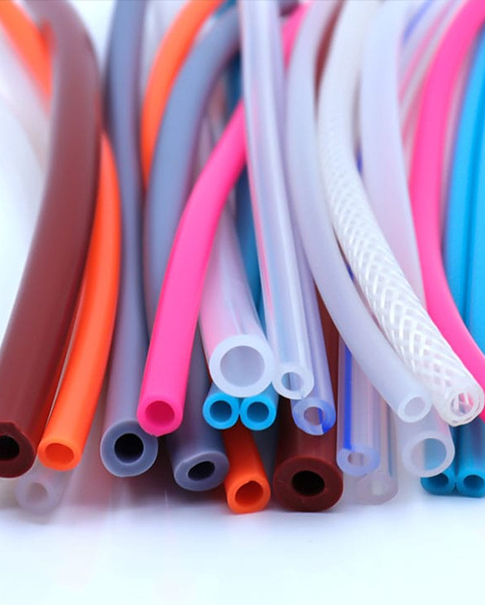

A food grade silicone hose is flexible tubing made from silicone that meets regulations for direct contact with food, beverages, and pharmaceuticals. It matters because it protects product purity, complies with FDA and NSF-51 standards, and performs across extreme temperatures. Food grade silicone hose also supports safety in demanding processing environments.
Food grade silicone hose keeps your food and drinks safe and pure.
Check for FDA and NSF-51 certifications to ensure the hose meets safety standards.
Choose the right hose for your temperature and pressure needs to avoid problems.
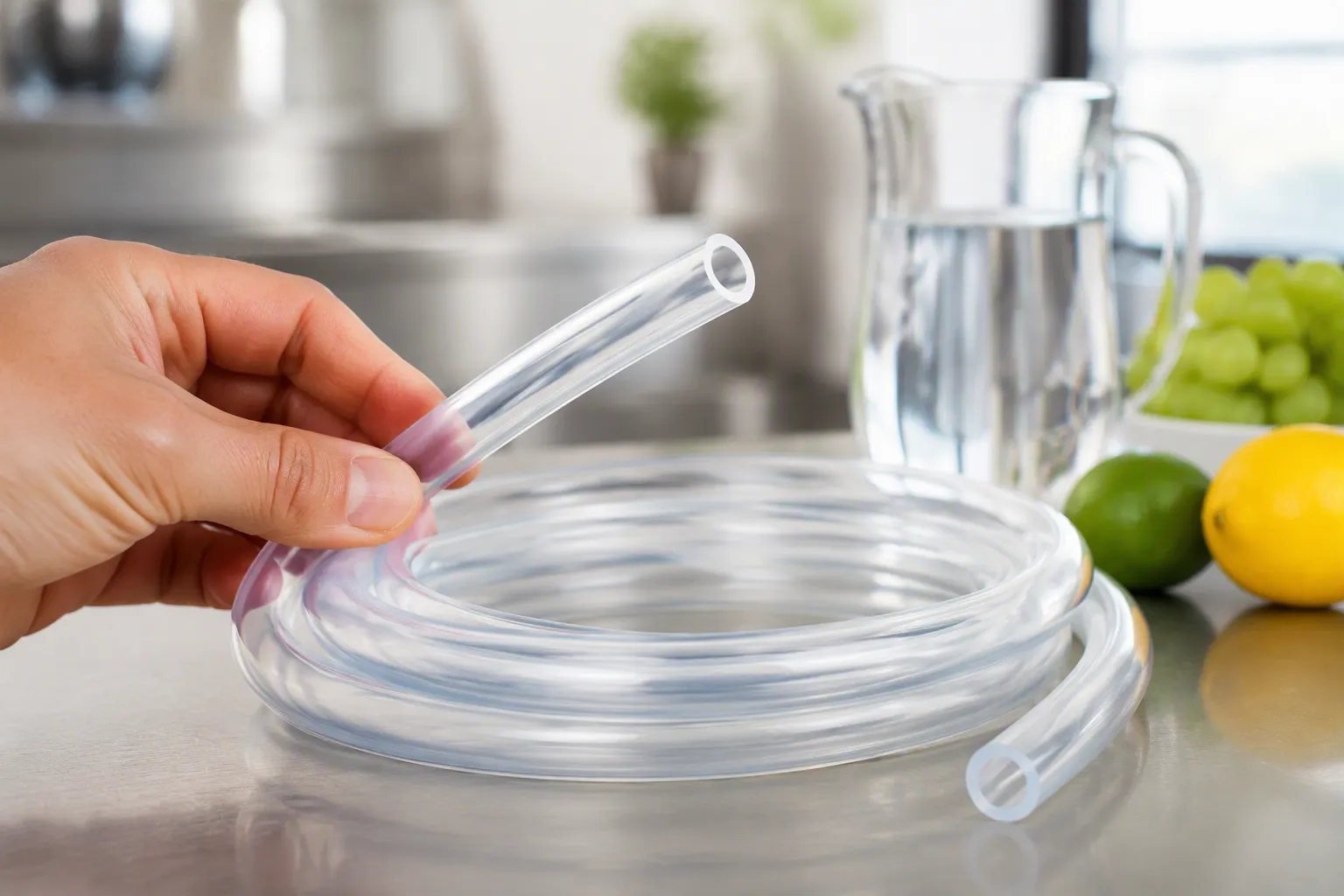
A food grade silicone hose is specialized tubing for the safe transport of food, beverages, and pharmaceutical substances in compliance with food safety regulations. You will find it in transfer lines where purity matters most. The material is non-toxic, odorless, and tasteless, so it does not impart flavor or smell to the media it carries. This inert behavior keeps your product profile intact from tank to filler.
Silicone delivers a combination of traits that suit direct food contact. It resists repeated steam and chemical cleaning, which supports strict hygiene routines. The tubing stays flexible and wear-resistant under low and high pressure, and it holds its shape through heavy use. Ozone, weather, UV, and static resistance extend service life in exposed plant environments. Standard grades handle temperatures from -76°F to 392°F, and you can sterilize them with air or steam up to 392°F.
|
Material Property |
How It Supports Food Contact Suitability |
|---|---|
|
Non-toxic, odorless, tasteless |
Preserves liquid integrity and flavor without contamination |
|
Flexibility and elasticity |
Allows easy maneuvering in brewing, bottling, and processing setups |
|
Temperature resistance |
Handles hot and cold liquids without structural compromise |
|
Regulatory compliance |
Minimizes risk of chemical leaching or bacterial growth |
|
Ease of cleaning |
Withstands high-temperature sterilization and chemical cleaning |
|
Durability and aging resistance |
Maintains effectiveness under heavy operational stress |
These properties explain why silicone tubes for food purposes outperform many alternatives in wet, hot, and washdown-heavy settings. Food-grade silicone also resists bacterial growth and chemical attack, so frequent sanitation does not break it down.
Compliance separates true food grade silicone tubing from generic hose. Under 21 CFR 177.2600, the FDA rule for rubber articles intended for repeated use, a hose must use only permitted elastomers and additives. The finished article must pass extraction and migration testing, which confirms it releases no harmful substances into food. Platinum-cured silicone is often preferred for hygienic work because of its higher purity and cleaner cure system. Certification also involves formulation review, laboratory testing, manufacturing validation, and lot traceability.
Look for two markers when you buy: FDA and NSF-51. NSF-51 approval means a third party has tested the hose for food equipment use. Together these signals confirm food safety compliance and give you documented proof for audits.
Food grade silicone hose comes in silicone and PVC varieties. Silicone fits hot lines, sterilization cycles, and flexible routing. PVC suits cooler, lower-cost transfer where chemical exposure stays mild. Match the material to your process, and check the manufacturer's food safety guidelines before installation.
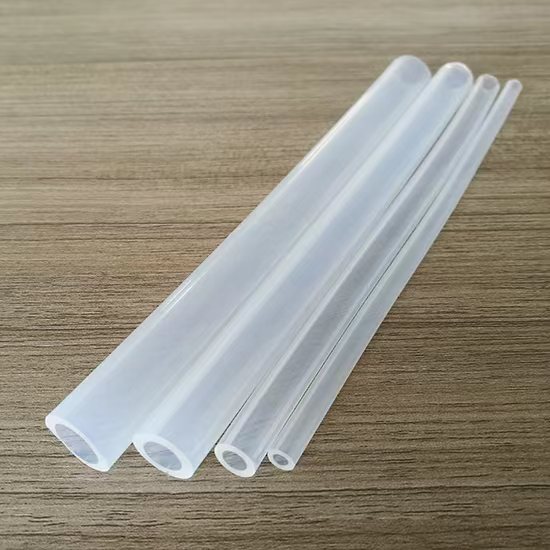
Food-grade silicone tubing holds up across a remarkable span. You can run it from -103 °F (-75 °C) to 450 °F (232 °C) without losing structural integrity. That range covers blast freezing, hot-fill bottling, and steam sanitizing in one product. Few materials match this spread.
Flexibility under stress separates good hose from average hose. Flexible silicone tubes are engineered for repeated movement, tight bending radii, and vibration dampening. You get excellent elasticity for cyclic flexing, plus UV and ozone resistance. High-temperature hose keeps a tight bend radius without restricting flow. It also absorbs system vibration and thermal expansion without fatigue. Kink resistance matters most when you move viscous liquids like syrups, purees, or dairy concentrates. A collapsed line stalls your whole process. Durable walls under high pressure keep demanding applications flowing steadily.
Although silicone hoses generally show impressive flexibility, repeated extreme bending can cause flex fatigue and eventual tearing after prolonged cycling.
Route the hose with gentle curves, and you avoid that failure mode.
Product purity is the core reason this tubing matters. Food-safe silicone tubing will not react with food substances, so taste and quality stay unchanged. Smooth, non-porous surfaces prevent bacteria from sticking. That design reduces contamination risk and makes cleaning and sterilization easier. Unlike some plastics, silicone does not leach harmful chemicals into your product. Its heat resistance keeps it stable where plastic or rubber would degrade.
These traits support compliance with food safety regulations. A certified food-grade tubing supplier documents FDA and NSF-51 approval, and that paperwork protects you in audits. Food Grade Silicone Hose from Rainbow carries these certifications, and buyers rely on that verification. Rainbow supplies food-grade silicone tubing for its adaptability and safety across dairy, brewing, and pharmaceutical lines.
Durability compounds the value. General food-grade silicone stays resistant to damage, wear, and high temperatures throughout its service life. You replace hose less often, and you reduce downtime. That combination of safety and longevity explains why food-grade beverage tubing earns its place in sanitary processing. Choose food-grade beverage tubing rated for your temperature and pressure, and the hose protects both your product and your bottom line.
Food-grade beverage tubing serves dispensing equipment, soda fountains, syrup transfer lines, juice lines, and beer tap bundles. Restaurant soda fountains and gas-station creamer dispensers rely on sterile, durable tubing every day. Dairy production and milk processing depend on food-grade beverage hoses that resist chemical cleaning. Brewing and bottling operations use food-grade beverage hoses for hot wort and high-proof spirits. Food-grade beverage tubing also handles cocktail mixing units and food-grade oil lines.
Pharmaceutical plants trust food grade silicone tubing for liquids, gels, and medications. Platinum curing lowers leaching risk, and low extractables preserve product purity. USP Class VI biocompatibility keeps these silicone tubes for food and drug contact non-toxic in biological systems. Food-safe silicone tubing withstands autoclaving without degrading.
Industrial users choose food-grade beverage tubing for bakeries moving melted chocolate, batter, and icings. Pet food manufacturing and catering services also depend on food-grade beverage hoses. Food-grade silicone suits hot, flexible routes; PVC fits cooler, mild-chemical transfer. Both serve commercial and industrial duty.
Medical settings value food-grade silicone tubing for catheters, respiratory tubing, and feeding tubes. Peristaltic pumps, sterile filtration, and cell culture systems use food-grade tubing too. Food Grade Silicone Hose from Rainbow meets these purity demands. Verify FDA and NSF-51 marks on any food-grade beverage tubing before purchase, and confirm temperature ratings. That step protects safety and product integrity in every line.
Food grade silicone hose matters for safety, compliance, and reliable performance. Choose food grade silicone tubing by verifying FDA and NSF-51 certification, confirming temperature and pressure ratings, and matching the hose to your application. Food-grade silicone from Rainbow meets these standards. Check food safety regulations before you buy food-grade beverage tubing; the right food-grade beverage tubing protects your product.
Ask the supplier for certification documents and lot traceability records. An FDA-Approved Food Grade Silicone Hose should cite 21 CFR 177.2600 compliance and carry an NSF-51 mark for food equipment use.
You can run it from -103 °F (-75 °C) to 450 °F (232 °C). That span covers blast freezing, hot-fill bottling, and steam sanitizing. Confirm the rating on your specific Food Grade Silicone Hose before installation.
Pick silicone for hot lines, sterilization cycles, and flexible routing. Choose PVC for cooler, lower-cost transfer with mild chemical exposure. Match the material to your process conditions and cleaning routine.
Looking For A Reliable Business Partner For Your Next Project?

Business Enquiries
+86 15160066997