
What Are You Looking For?
What Are You Looking For?
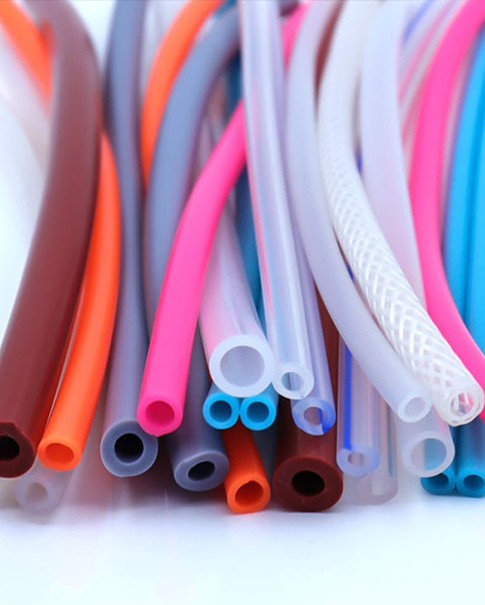

Upgrading to silicone hoses optimizes engine cooling and peak performance. An automotive silicone hose resists thermal degradation between -50°C and +220°C. Superior pressure retention in silicone hoses eliminates expansion under boost while simplifying routine maintenance. This reliable upgrade protects your cooling system during demanding driving and preserves overall engine component lifespan.
Silicone hoses withstand extreme engine temperatures without cracking or hardening over time.
Reinforced silicone design prevents hose expansion and maintains steady fluid flow under high pressure.
Upgraded silicone hoses last up to twenty years and save money on frequent replacements.
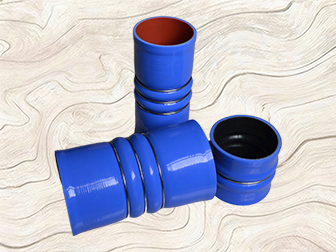
Upgrade your engine components today to protect your vehicle under demanding performance driving conditions. Traditional stock OEM rubber components often fail prematurely under extreme thermal stress, but heavy-duty silicone hoses offer superior heat resistance and exceptional structural durability for high-stress automotive cooling systems.
High engine operational temperatures degrade standard original equipment manufacturer rubber materials very quickly. Standard organic rubbers begin to fail around 120°C to 130°C, whereas specialized silicone hoses and tubing easily tolerate continuous operational temperatures from -54°C to 260°C without hardening, softening, or degrading.
|
Material Type |
Continuous Operating Temperature Range |
Full Operational Temperature Range |
|---|---|---|
|
Silicone Hose (with reinforcements) |
Up to 200°C (260°C with high-temp reinforcements) |
-54°C to 260°C |
|
Standard EPDM Rubber |
Operational limit at 125°C (257°F) |
-40°C to 127–150°C |
Repeated extreme heating and cooling cycles harden standard factory rubber over regular service periods. This continuous thermal degradation process creates severe structural micro-cracks, unexpected fluid leaks, material brittleness, and ultimate component failure inside critical engine cooling systems. Multi-ply reinforced silicone hoses easily withstand harsh thermal cycling stress without losing original material elasticity. You maintain optimal system reliability and complete structural safety during aggressive track driving, heavy load towing, or routine daily commuting because the advanced silicone material retains full physical flexibility throughout repeated continuous temperature changes.
High turbocharger boost pressure causes standard flexible rubber to balloon outward under heavy pressure or collapse inward under strong intake vacuum. Unwanted physical expansion changes internal fluid dynamics, alters coolant velocity, disrupts system pressure stability, and directly reduces total engine performance. You eliminate these fluid flow restrictions by installing premium silicone hoses for cars inside vital coolant systems and high-pressure air intake systems.
Engineers specify reinforced multi-ply wall construction to control exact internal dimensions under severe manifold vacuum forces or intense turbocharger pressure shifts:
|
Specification |
Detail |
Impact on Engine Cooling Efficiency |
|---|---|---|
|
Inner Diameter Tolerance |
±0.5mm |
Ensures precise dimensional consistency under high system operating pressure. |
|
Wall Thickness Options |
4mm, 4.5mm, 5mm (custom) |
Enhances structural wall resistance against severe outward pressure expansion. |
|
Key Functional Result |
Inner diameter remains stable |
Prevents hose expansion or collapse without restricting vital fluid flow. |
When directly comparing silicone versus rubber performance, multi-ply embedded fabric reinforcement provides superior structural tensile strength across all temperature ranges. Completely stable inner hose diameters effectively prevent volumetric expansion during peak manifold boost pressure conditions. Your high-performance engine cooling system easily maintains exact factory-designed fluid flow rates without structural restriction or turbulent pressure drops. Upgrading to high-grade silicone hoses prevents sudden pressure drops, optimizes continuous operational temperature resistance, and reliably protects your primary cooling circuit under severe operational driving environments.
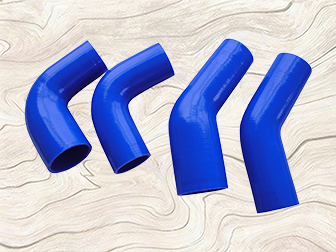
You gain immediate mechanical advantages when you install an automotive silicone hose inside your engine bay. Pliable material characteristics give silicone hoses superior elasticity compared to stiff factory rubber units. Mechanics install, remove, and service these flexible components rapidly without damaging surrounding radiator fittings or delicate sensor housings.
Organic rubbers are susceptible to these elements, leading to well-known failure modes like dry rot, hardening, and surface cracking.
Every vehicle silicone hose resists severe physical impacts, sharp punctures, and intense engine bay vibration. High-performance automotive systems generate constant mechanical movement that degrades low-grade rubber materials over time. Specialized silicone hoses and tubing absorb continuous structural motion while resisting environmental threats like harmful UV rays and ambient ozone gas exposure.
Upgrading to custom silicone hoses delivers outstanding financial returns for street drivers and racing enthusiasts. You eliminate recurring part replacement costs and optimize overall cooling efficiency under harsh driving conditions. Standard rubber lines require complete replacement every 3 to 7 years due to physical wear. Installing silicone hoses for cars extends operational service life to 10 to 20 years, often outlasting the vehicle itself.
|
Material |
Common Failure Modes |
Primary Causes |
Typical Replacement Cycle |
|---|---|---|---|
|
Rubber (EPDM) Hoses |
Hardening, Cracking, ECD, Dry Rot, Softening |
Exceeding 125°C limit, ozone/UV, engine vibration |
Every 3 to 7 years |
|
Silicone Hoses |
Resistant to standard environmental aging |
Highly resistant to UV rays, ozone, and heat degradation |
10 to 20+ years |
Investing in reliable electric vehicle silicone hose kits reduces vehicle downtime and protects sensitive electric motor hardware. Quality custom silicone hoses maintain smooth internal surfaces that optimize fluid velocity and prevent heat buildup. You secure long-term engine protection, achieve enhanced durability and longevity, and enjoy improved flexibility and performance across every demanding drive.
Upgrading to custom silicone hoses delivers superior heat stability, pressure retention, and extended service life. You protect your engine from premature failure during demanding driving conditions. Choose standard rubber for daily commuting or an automotive silicone hose for high-stress track environments. Quality silicone hoses reduce downtime and optimize cooling with durable silicone hoses.
Standard rubber lines fail within 3 to 7 years. Upgrading to silicone hoses extends operational service life up to 20 years without suffering thermal degradation.
You prevent physical expansion under heavy boost pressure. Selecting specialized silicone hoses and tubing preserves stable fluid dynamics across extreme operating temperatures.
Yes, custom silicone hoses fit exact engine bay dimensions. You simplify routine engine maintenance and optimize overall cooling efficiency when buying silicone hoses for cars.
Looking For A Reliable Business Partner For Your Next Project?

Business Enquiries
+86 15160066997