
What Are You Looking For?
What Are You Looking For?
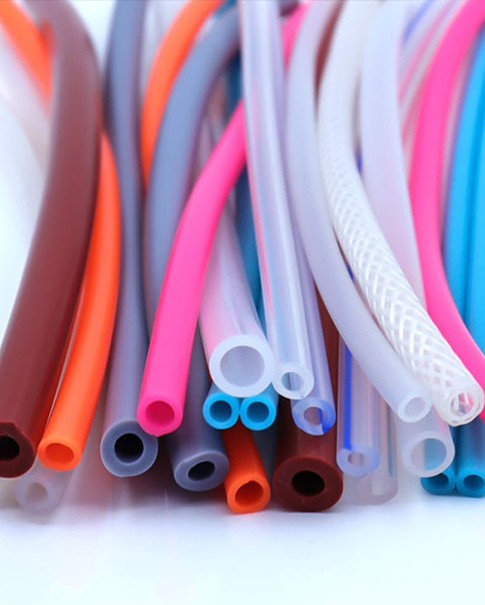

You may ask if an EPDM hose works well with hydrogen. This hose bends easily and can handle many chemicals. It is simple to put in and take care of. But hydrogen can go through the hose and sometimes make leaks. It can also make the hose weaker as time goes by. High-pressure hydrogen systems are even more risky. You need to check the hose often and follow safety rules. This helps keep your system safe.
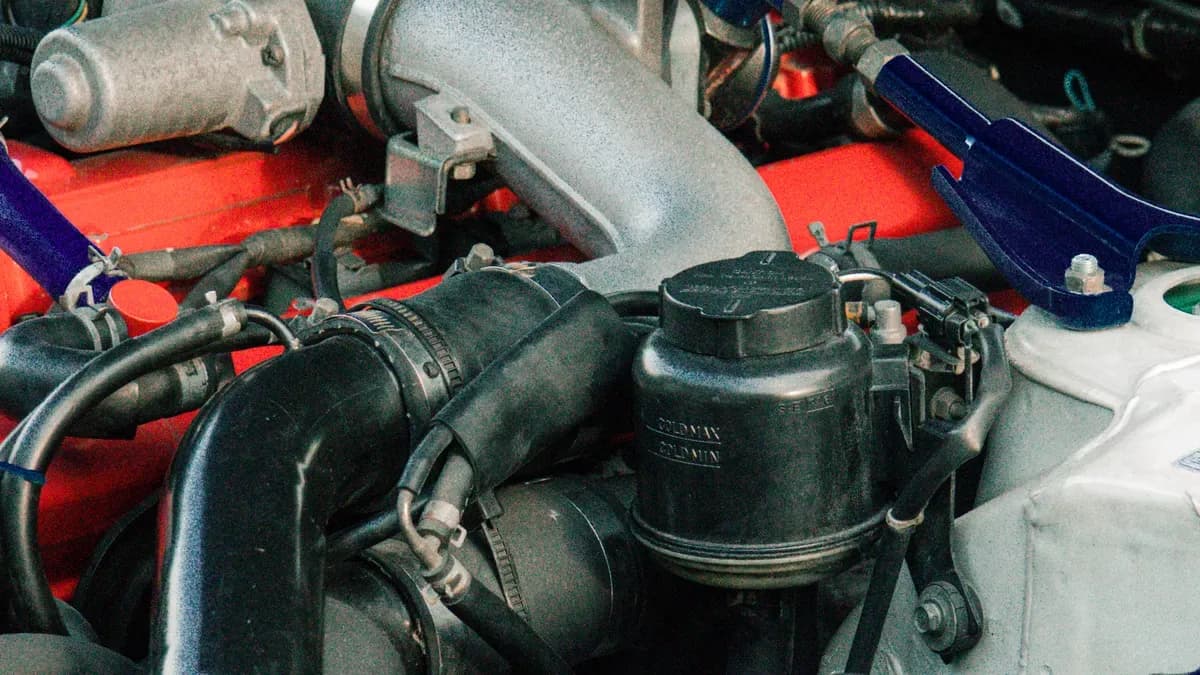
· EPDM hoses bend easily and are not expensive. This makes them a good choice for many uses, like hydrogen systems.
· Pick EPDM hoses with the best fillers and additives. This helps stop hydrogen from getting in and keeps your system safe.
· Always look at the pressure rating of your EPDM hose. Make sure it can handle what your hydrogen system needs.
· Follow safety rules and guidelines when you pick hoses for hydrogen. This keeps people and equipment safe.
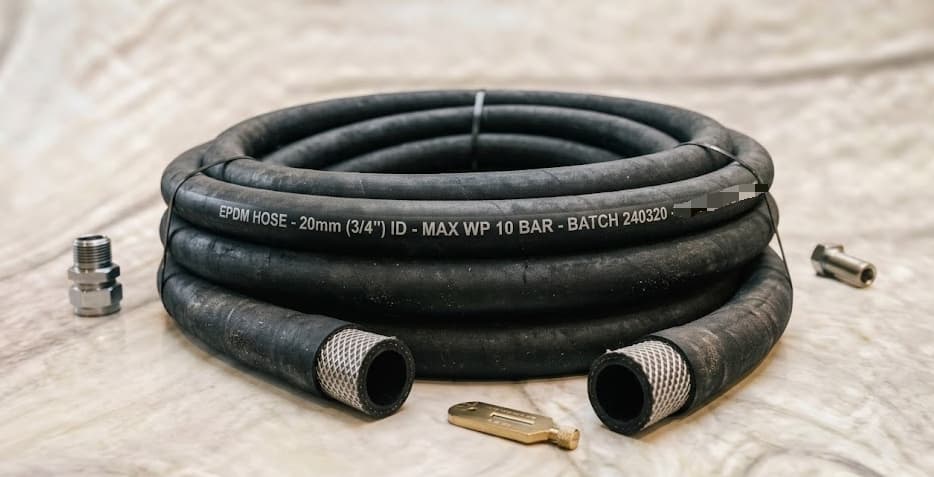
EPDM hose is used in many places. People like it because of its special features. EPDM means ethylene propylene diene monomer. It is a kind of synthetic rubber. This rubber gives the hose some strong points:
· The hose does not break down fast when it touches air. It fights oxidation well.
· EPDM hose can handle ozone and chemicals. This helps it last longer in hard places.
· You can use it in very cold or very hot spots. It works from -50°C to 150°C.
· The hose does well in strong acids and hot, harsh chemicals.
These features make EPDM hose a smart pick. It is good for jobs where you need strong and tough hoses.
EPDM hose is found in many systems. Here are some ways people use it:
1. It works with water, steam, and fluids made from glycol.
2. The hose stays bendy and does not crack in sunlight or ozone.
3. It is not good for regular mineral oil hydraulic systems.
EPDM hose does not work well with oil-based hydraulics or hydrocarbons. This is important if you want to use it for hydrogen. Hydrogen acts differently than water or steam. Always check if the hose fits the fluid you want to use.
It is important to know how EPDM hose acts with hydrogen. When hydrogen touches the hose, it can change the rubber inside. Fillers and additives in the hose matter a lot. Some fillers make the hose stronger. Other fillers can let hydrogen make tiny holes or spaces. These small spaces can cause leaks or weak spots. The table below shows how fillers and additives change what happens with hydrogen:
|
Factor |
Effect on Hydrogen Exposure |
|
Fillers |
May increase hydrogen uptake |
|
Additives |
Can change void or channel formation |
|
No Fillers |
Fewer voids, less hydrogen uptake |
If you pick the wrong hose, hydrogen can make the rubber swell up, get hard, or even crack. This can make the hose break. In hydrogen delivery systems, you need to keep things safe and working well. If a seal or hose breaks, it can leak, cost a lot, and be dangerous. You should always check if the EPDM hose is right for your hydrogen system.
Hydrogen is a very tiny molecule. It can move through many things, even rubber hoses. The speed that hydrogen goes through an EPDM hose is called permeability. The table below shows how fast hydrogen moves through different elastomers:
|
Elastomer |
Permeability Rate (P) |
|
EPDM |
Greater |
|
NBR |
Lower |
|
FKM |
Lower |
A higher permeability rate means more hydrogen can get through. This can make your system less safe and not work as well. But EPDM hose can still be good for some hydrogen uses. It can stop a lot of hydrogen from crossing over. This is important for fuel cells and electrolyzers. You want your hose to last and keep your system safe.
Hydrogen is a tiny molecule. It can go through many things, even rubber. When you use an EPDM hose for hydrogen, you must think about how much hydrogen can get through the hose wall. This is called permeation. If too much hydrogen gets out, your system can lose pressure and become unsafe.
New EPDM hoses help fix this problem. Some hoses use special synthetic rubber. This rubber lowers ion leaching and makes the hose last longer. Other hoses have smart sensors inside. These sensors help you check for leaks or pressure changes fast. You can find problems before they get worse.
You want your EPDM hose to last a long time with hydrogen. Hydrogen can make the hose swell or get weak. Over time, the hose may crack or lose its shape. Some problems happen more often with hydrogen. The table below shows what to look for:
|
Failure Mode |
Description |
|
Rapid Decompression Failure |
A sudden and bad failure that is very dangerous in hydrogen. |
|
Hydrogen-Induced Swelling |
A new problem where the hose swells from hydrogen. |
|
Amplified Conventional Modes |
Old problems like fatigue, wear, and aging get worse with hydrogen. |
You can lower these risks by picking hoses that resist pressure and wear better. New EPDM hoses use advanced rubber blends. These blends help the hose stay strong in tough places. Some hoses have sensors that watch hose health. You get alerts if the hose starts to fail.
Hydrogen systems often use high pressure and heat. You need to know how your EPDM hose will act. Most EPDM hoses work from -50°C to 150°C. They keep about 70-80% of their strength after being in hot, wet places. The rubber does not soak up much water, so it stays bendy.
Some EPDM hoses use peroxide curing. These hoses handle heat better than sulfur-cured hoses. They keep their stretch and bounce longer. Always check the hose rating before you use it with hydrogen.
· New EPDM hoses can handle higher pressure and heat.
· The hose does not soak up much water (less than 1% by weight). This helps it keep its shape and strength.
· Peroxide-cured hoses recover better after heat.
You will find that an EPDM hose brings several strong benefits when you use it in hydrogen environments. The hose bends easily and stays strong, even when you move it often. You can count on it to handle different shapes and spaces in your system. The cost of an EPDM hose is usually lower than other types, such as silicone hoses. This happens because the materials are easy to find and the way people make the hose is simple.
Here is a quick look at the main advantages:
|
Property |
Advantage |
|
Flexibility |
High mechanical strength and flexibility |
|
Cost-effectiveness |
Less complex manufacturing process, readily available materials |
You also save money because the hose lasts a long time in many settings. You do not need to replace it often if you check it and take care of it. Many people choose EPDM hoses because they work well in both hot and cold places.
· EPDM hoses are more cost-effective than silicone hoses.
· The manufacturing process is less complex.
· Raw materials are easy to get.
You should also know the limits of an EPDM hose in hydrogen service. Hydrogen can move through the hose wall, which means you might see leaks over time. Tiny voids or spaces can form inside the hose, especially if the wrong fillers or additives are used. These voids can make the hose weaker and cause it to age faster.
You must follow safety standards when using hoses for hydrogen. These rules make sure your hose is safe and works well. The table below lists important standards for hydrogen hoses:
|
Standard |
Description |
|
CSA/ANSI HGV 4 Series |
Sets rules for hydrogen refueling station parts, including design and safety for high-pressure hydrogen. |
|
ISO 19880 Series |
Gives rules for compressed hydrogen, used in many countries for refueling stations. |
|
GB 50516 |
Technical code for hydrogen stations in China, based on international standards and local needs. |
Always pick hoses that meet these standards. This helps protect people and equipment.
You might want to try other hose materials for hydrogen. Some hoses use special rubber or plastic blends. These can cost more because they need better materials and careful making. The price also goes up if you need hoses that meet strict rules. New power systems, like hydrogen fuel cells, need hoses that handle high pressure and stop leaks. This means companies spend more on research and new materials.
Some hoses use fluorinated rubber or thermoplastics. These can resist hydrogen better than regular rubber. They may last longer but can cost more. When you compare costs, remember that an EPDM hose gives good weather resistance and electrical insulation. This can make it a smart choice for many jobs, even if the price is higher. Always balance cost, safety, and how long the hose will last.
You can use EPDM hoses for some hydrogen systems, but not for very high pressures. Always check the hose’s pressure rating. For high-pressure hydrogen, you may need a hose with a special barrier or a different material.
Some materials, like fluorinated rubber or thermoplastic hoses, resist hydrogen better than EPDM. These options may cost more, but they can offer lower permeability and longer life in tough hydrogen environments.
Looking For A Reliable Business Partner For Your Next Project?

Business Enquiries
+86 15160066997