
What Are You Looking For?
What Are You Looking For?
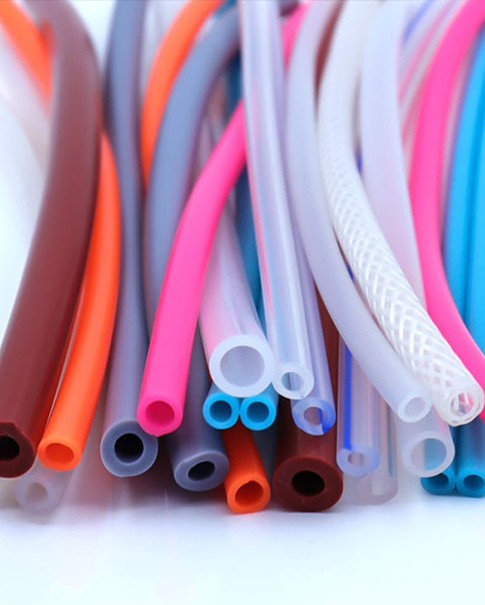

With the global pursuit of clean energy, hydrogen fuel cell technology has become a vital breakthrough for heavy-duty commercial trucks, passenger cars, and stationary power systems. Inside a hydrogen fuel cell, the thermal management and fluid delivery loops act as the "blood vessels" of the system. Choosing the right hose directly affects the overall lifespan and reliability of the entire powertrain.
Historically, our high-performance vehicle silicone hose range has been the standard choice for automotive cooling, offering excellent flexibility and high-temperature resistance in traditional internal combustion engines. However, the unique and highly sensitive environment of a hydrogen fuel cell requires a different material approach for its core cooling lines. This is where our specialized EPDM Hose becomes indispensable.
A proton exchange membrane fuel cell (PEMFC) is incredibly sensitive to its chemical environment. While we offer advanced fuel cell silicone hose solutions for the extreme high-temperature air intake and exhaust sections of the stack, the main water and cooling loops require EPDM (rubber) hoses for three simple, critical reasons:
Ultra-Low Ion Release: Fuel cells rely on high-purity deionized water or specialized coolants to stay at optimal temperatures. Standard hoses can release electrolyte ions (like calcium, zinc, or sulfur) into the fluid over time. This raises the fluid's electrical conductivity, which can cause dangerous electrical short circuits or poison the expensive catalyst inside the fuel cell stack. Our EPDM hoses are engineered for extreme purity to keep conductivity safely low.
Excellent Gas Sealing: Hydrogen as the smallest molecular size in nature, making it highly prone to escaping through microscopic gaps. EPDM rubber has a much tighter molecular structure than silicone, meaning it blocks gas permeation significantly better. This keeps hydrogen locked safely inside the system and prevents outside air from leaking in.
Superior Weathering and Moisture Resistance: During power generation, fuel cells produce continuous wet heat and trace oxidative byproducts like hydrogen peroxide. EPDM material is highly stable against hot water, steam, and ozone, meaning the hoses will not water-log, soften, or crack over years of heavy operation.
To make it easy to see where EPDM hoses fit best alongside our other connecting solutions, here is a quick breakdown of how fluid lines are set up:
| Application Loop | What it Does | Why EPDM is the Standard |
| Thermal / Cooling System |
Connects the fuel cell stack, electronic water pump, and radiator. |
Handles deionized water perfectly; prevents ion contamination and stack short circuits. |
| Air Supply System |
Connects the air compressor, intercooler, and humidifier lines. |
Withstands hot, saturated humid air without losing its structural shape or strength. |
| Hydrogen & Exhaust System |
Manages low-pressure hydrogen recirculation and water separators. |
Features ultra-low gas permeability to stop hydrogen micro-leaks and resists acidic condensation water. |
When laying out these complex routing systems—especially in tight engine bays—our universal silicone coupler range (such as straight reducers, T-pieces, and elbow bends) is frequently used to bridge rigid metal pipes and adapt to various layout angles, ensuring seamless fluid transitions throughout the vehicle.
At Rainbow manufacturing, we follow strict industrial standards to produce fuel cell grade EPDM hoses. A premium fuel cell hose uses a high-performance three-layer composite structure:
Inner Tube: Made from ultra-pure, low-extractable EPDM compound to ensure total chemical inertness when in contact with deionized water or gases.
Reinforcement Layer: Woven with high-tensile polyester or aramid fibers to provide exceptional pressure resistance and prevent the hose from swelling under load.
Outer Cover: A tough, weather-resistant EPDM layer designed to withstand under-hood heat, ozone degradation, and mechanical friction.
Every batch of our fuel cell hoses undergoes rigid particulate cleanliness controls and exhaustive extractable testing to guarantee zero residual debris enters your sensitive systems.
Selecting the right hose material ensures your green energy system operates safely and efficiently for its entire design life. From our high-temperature fuel cell silicone hose sections to our ultra-pure EPDM fuel cell hose cooling loops, Rainbow Manufacturing provides a complete engineering answer for modern hydrogen systems.
If you are developing or specifying components for an upcoming hydrogen fuel cell project, reach out to our engineering team today to discuss material selection, custom layouts, or to request prototyping samples!
Looking For A Reliable Business Partner For Your Next Project?

Business Enquiries
+86 15160066997