
What Are You Looking For?
What Are You Looking For?
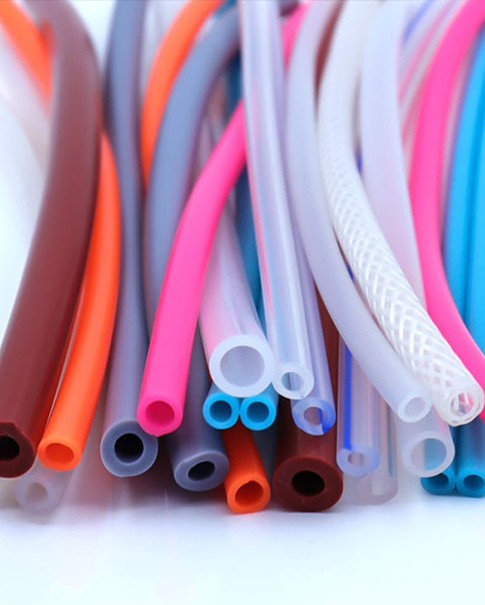

You should choose silicone hoses for most modern vehicles, especially when you want superior temperature resistance, flexibility in cold climates, and long-term durability. A Vehicle Silicone Hose resists UV rays and lasts over a decade without cracking, making it a reliable solution for your coolant system.
Silicone hoses offer superior temperature resistance and last up to 20 years, making them ideal for high-performance and electric vehicles.
EPDM hoses are cost-effective and suitable for standard vehicles, but they have a shorter lifespan of 5-8 years and are prone to cracking.
Always match your hose choice to your vehicle's needs; consider silicone for extreme conditions and EPDM for everyday driving.
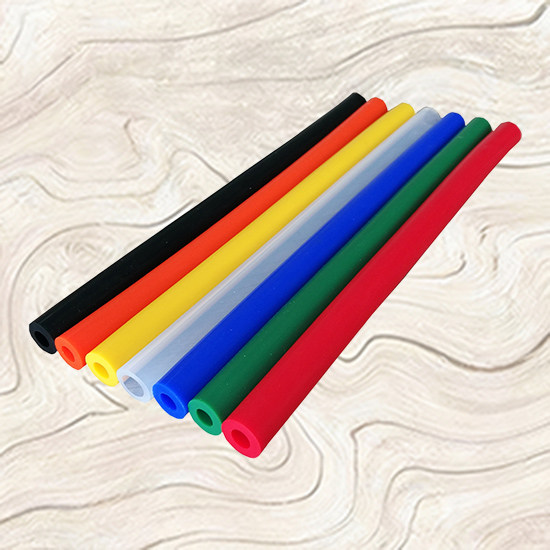
You need to understand the core differences when comparing epdm vs silicone hoses for your vehicle. The table below highlights the most important factors:
|
Feature |
EPDM |
Silicone |
|---|---|---|
|
Temperature Resistance |
-55°C to 125°C (short-term 150°C) |
-50°C to 180°C (spikes to 200°C) |
|
Flexibility |
Good |
Excellent |
|
Durability |
5-8 years (service life) |
15-20 years (shelf life) |
|
Cost |
Lower |
Higher |
|
Typical Applications |
Standard vacuum, coolant systems |
High-performance, racing, EVs |
You see that epdm hoses handle most standard engine temperatures, but silicone hoses excel in extreme heat and cold. Manufacturers report that silicone hoses can withstand continuous temperatures up to 350°F (180°C), with short bursts up to 400°F (200°C). In contrast, epdm hoses typically manage up to 250°F (120°C) and short spikes to 275°F (135°C).
When you compare epdm vs silicone, you notice clear strengths and weaknesses for each material. Consider these points before making your choice:
Tip: Always match your hose selection to your vehicle’s specific needs and operating environment.
EPDM Pros:
Handles most standard coolant and vacuum applications.
Offers reliable chemical resistance.
Costs less than silicone.
Provides good flexibility for general use.
EPDM Cons:
Shorter service life (5-8 years).
Prone to cracking under UV exposure.
Limited temperature range compared to silicone.
Silicone Pros:
Withstands extreme temperatures, both hot and cold.
Lasts much longer (up to 20 years shelf life).
Maintains flexibility over time.
Resists ozone, UV, and weathering.
Ideal for high-performance, racing, and electric vehicles.
Silicone Cons:
Higher upfront cost.
May require special clamps or fittings.
Not always compatible with all types of coolant additives.
You should choose epdm if you want a cost-effective solution for standard vehicles and daily driving. If you drive a high-performance car, classic vehicle, or electric vehicle, silicone hoses such as a Vehicle Silicone Hose or Auto Silicone Hoses offer superior durability and temperature resistance. For the latest electric vehicles, an Electric Vehicle Silicone Hose provides the best long-term reliability.
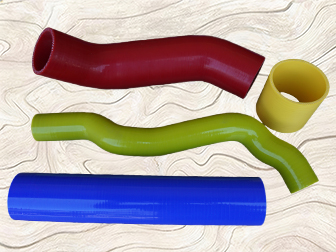
When you choose a vehicle silicone hose, you benefit from advanced material properties that set silicone apart from traditional rubber. Silicone offers thermal stability across a wide temperature range, from as low as −100°C up to 250°C. This means your vehicle silicone hose will perform reliably in both freezing winters and under-hood environments where high temperatures are common. You also gain from silicone’s low chemical reactivity, which helps prevent degradation when exposed to various fluids and additives in your coolant system.
Silicone’s properties include:
Thermal stability over a wide temperature range
Low chemical reactivity
Resistance to extreme temperatures
Ability to repel water and form watertight seals
Resistance to oxygen, ozone, and UV light
These properties make a vehicle silicone hose an excellent choice for modern engines. You can trust that your hose will resist cracking, hardening, and fading, even after years of exposure to harsh conditions.
You need a hose that can handle high temperatures without losing shape or strength. Silicone excels in this area. A vehicle silicone hose maintains flexibility even when exposed to engine heat or cold weather. This flexibility reduces the risk of leaks and makes installation easier, especially in tight engine bays.
When you use silicone, you protect your coolant system from failures caused by heat stress. High temperatures will not cause the hose to become brittle or crack. Instead, you get a long-lasting solution that supports both daily driving and high-performance needs. If you want a hose that adapts to the demands of modern vehicles, a vehicle silicone hose delivers unmatched reliability and performance.
You rely on epdm hoses for their unique material properties. Epdm stands for ethylene propylene diene monomer, a synthetic rubber that offers impressive performance in automotive applications. You notice that epdm resists abrasion and handles mechanical stress well. Manufacturers design epdm hoses to withstand exposure to oils, steam, and many chemicals. You benefit from the flexibility of epdm, which allows easy installation in tight engine spaces. Epdm also resists ozone and weathering, so you avoid premature aging and cracking.
Note: Epdm hoses remain stable under pressure and vibration, making them a dependable choice for most vehicles.
You want a hose that lasts and works with your coolant system. Epdm hoses deliver solid durability, usually serving you for five to eight years. You find that epdm maintains its shape and strength even after repeated heating and cooling cycles. Epdm hoses work well with most standard coolant types, including those found in modern engines. You avoid compatibility issues because epdm resists the chemicals used in antifreeze and other fluids.
Epdm hoses offer reliable performance for daily drivers.
You experience fewer leaks and failures when you choose epdm for your coolant lines.
Epdm remains cost-effective, so you get value without sacrificing quality.
If you need a practical solution for your vehicle, epdm hoses provide the durability and compatibility you expect.
You need to consider temperature resistance when selecting hoses for your automotive system. EPDM provides reliable performance in standard engine environments. It handles temperatures from -55°C to 125°C, with short bursts up to 150°C. This range covers most daily driving conditions. EPDM offers good resistance to heat, but it cannot match the high resistance to very high temperatures that silicone delivers.
Silicone stands out in automotive applications that demand superior coolant resistance. You benefit from silicone’s ability to withstand continuous temperatures up to 180°C and spikes reaching 200°C. This high resistance to very high temperatures makes silicone the preferred choice for performance vehicles, electric vehicles, and racing applications. Silicone maintains its strength and flexibility even when exposed to extreme heat or cold. You avoid hose failures caused by thermal stress, which can lead to costly repairs.
You also gain excellent compression set with silicone. This means the hose retains its shape and strength after repeated cycles of heating and cooling. EPDM provides good compression set, but silicone offers excellent compression set, especially in demanding environments. You see the difference in long-term reliability and coolant resistance. When you need a hose that will not degrade under constant temperature changes, silicone gives you peace of mind.
Tip: Choose silicone for any application where high resistance to very high temperatures and excellent compression set are critical for safety and performance.
You want a hose that lasts and requires minimal maintenance. EPDM hoses serve you well for many years, but they have a shorter lifespan compared to silicone. EPDM hoses typically last 8-12 years in automotive systems. Over time, EPDM becomes vulnerable to electrochemical degradation. This process leads to micro-cracks, which can cause leaks and failures. You may notice that EPDM hoses dry out, stiffen, and lose strength as they age.
Silicone hoses offer a significant advantage in longevity. You can expect a lifespan of 15-20 years from silicone hoses in automotive applications. Silicone resists electrochemical degradation, so it does not develop micro-cracks. The material does not dry out, stiffen, or lose strength, even after years of exposure to coolant and harsh conditions. You benefit from excellent compression set, which helps the hose maintain its seal and shape over time.
You also reduce maintenance intervals with silicone. Fleet vehicles using silicone hoses require less frequent inspections and replacements. You save time and money by choosing a hose with superior longevity and coolant resistance. Silicone’s high resistance to ozone, UV, and weathering further extends its service life. EPDM hoses need more attention and earlier replacement, especially in demanding automotive environments.
EPDM hoses:
Provide good strength and flexibility.
Offer reliable coolant resistance for standard vehicles.
Require replacement every 8-12 years due to electrochemical degradation.
Silicone hoses:
Deliver excellent strength and flexibility.
Provide outstanding coolant resistance and longevity.
Last 15-20 years with minimal maintenance.
You see that silicone hoses outperform EPDM in both strength and longevity. When you want the best combination of coolant resistance, excellent compression set, and long service life, silicone remains the top choice for modern automotive systems.
You notice a clear difference in upfront costs when you compare epdm and silicone hoses for your vehicle. Epdm hoses cost less, making them a popular choice for standard passenger cars. Silicone hoses require a higher initial investment. You pay more for silicone because of its premium material and advanced manufacturing process. Installation costs also tend to be higher for silicone hoses. Automotive repair shops often charge more to install silicone hoses due to their premium pricing and the need for specialized clamps or fittings. You may hesitate at first because of the price, but silicone hoses offer benefits that justify the expense.
Epdm hoses have a lower upfront cost.
Silicone hoses cost more initially but provide long-term value.
Installation costs for silicone hoses are higher than for epdm hoses.
You gain significant long-term value when you choose silicone hoses for your coolant system. Silicone hoses resist degradation and last much longer than epdm hoses. You save money over time because silicone hoses reduce the need for frequent replacements and minimize labor costs. Epdm hoses, while cheaper upfront, require more frequent replacement due to their susceptibility to cracking and aging. You spend more on labor and parts if you stick with epdm hoses. Silicone hoses prove to be a smart investment for drivers who want reliability and durability.
Silicone hoses are a long-term investment.
They resist degradation, saving you money on labor and replacement costs.
Epdm hoses need more frequent replacement, increasing total ownership costs.
Tip: Consider the total cost of ownership when selecting hoses for your vehicle. Silicone hoses may cost more at first, but their durability pays off in the long run.
You want reliability and low maintenance for your daily vehicle. EPDM hoses offer a cost-effective solution for most standard cars. You can trust EPDM to handle regular temperature cycles and common driving conditions. If you live in an area with extreme weather or plan to keep your car for many years, you may prefer a Vehicle Silicone Hose. This option resists aging and provides extra peace of mind for long-term ownership.
You demand more from your vehicle when you drive on the track or push your engine to its limits. High temperatures and rapid temperature changes put stress on your coolant system. You should choose Auto Silicone Hoses for these applications. Silicone handles heat spikes and maintains flexibility under pressure. You reduce the risk of hose failure during demanding events. Many performance enthusiasts upgrade to silicone for its proven durability and reliability.
You care about both appearance and function if you own a classic, show, or heavy-duty vehicle. Silicone hoses offer a clean look and resist fading, which helps your engine bay stand out. For electric vehicles, you should consider an Electric Vehicle Silicone Hose. This type supports advanced cooling needs and ensures long service life. You protect your investment and keep your coolant system running smoothly with the right hose choice.
Tip: Always match your hose selection to your vehicle’s age, use case, and performance expectations.
You often choose a silicone vacuum hose when you need reliable performance in high-temperature environments. This type of hose works well in turbocharged engines, emission control systems, and advanced intake setups. You benefit from its flexibility, which makes installation easy even in tight spaces. The silicone vacuum hose resists cracking and remains pliable over time. You can use it in both automotive and industrial settings where heat and chemical exposure are common.
You also gain from its excellent water and abrasion resistance. This feature helps prevent leaks and damage from rubbing against engine components. Many technicians prefer silicone vacuum hose for custom builds and performance upgrades. You see it used in racing vehicles and electric vehicles, where durability and temperature stability matter most.
Tip: Always check compatibility with fluids and fittings before installing a silicone vacuum hose.
You select an epdm rubber vacuum hose for standard automotive systems and general-purpose vacuum lines. This hose handles moderate temperatures and offers good resistance to ozone and weathering. You find it in brake boosters, windshield washer systems, and HVAC controls. The epdm rubber vacuum hose provides a cost-effective solution for daily drivers and fleet vehicles.
You notice that the applications of epdm and silicone overlap in some areas. However, you should choose epdm rubber vacuum hose when you want a balance of affordability and reliable performance in less demanding environments. You get solid service life and easy replacement options with this material.
|
Feature |
Silicone Vacuum Hose |
EPDM Rubber Vacuum Hose |
|---|---|---|
|
Temp. Resistance |
Up to 200°C |
Up to 125°C |
|
Flexibility |
Excellent |
Good |
|
Cost |
Higher |
Lower |
|
Common Use |
Performance, racing |
Standard, daily driving |
You want your coolant system to perform at its best. Start by choosing the correct hose size and type for your application. Always measure the old hose and match it with your new Vehicle Silicone Hose or EPDM hose. Before installation, inspect all fittings and clamps for rust or damage. Clean the connection points to remove debris and old residue.
When installing a Vehicle Silicone Hose or Auto Silicone Hoses, use high-quality, non-perforated clamps. These clamps prevent hose damage and ensure a tight seal. Avoid over-tightening, as this can cut into the hose material. For an Electric Vehicle Silicone Hose, check for compatibility with your coolant and electrical system. Always follow the manufacturer’s torque specifications.
Tip: Lubricate the inside of the hose with a small amount of coolant or silicone spray to ease installation and prevent tearing.
You should inspect your hoses every six months. Look for cracks, bulges, or soft spots. Pay special attention to areas near engine heat sources. Replace any hose that shows signs of wear, especially if you use a Vehicle Silicone Hose in a high-performance setup.
Common issues include leaks at connection points and hose swelling. You can avoid these problems by using the correct clamps and checking for proper fitment. If you notice coolant loss or overheating, check your Auto Silicone Hoses and EPDM hoses for loose connections or splits.
|
Issue |
Prevention Tip |
|---|---|
|
Leaks |
Use proper clamps, retighten |
|
Cracking |
Inspect regularly, replace |
|
Swelling |
Check coolant compatibility |
Regular care extends the life of your hoses and keeps your vehicle running smoothly.
You want confidence when you select hoses for your vehicle. Rainbow Hoses delivers consistent quality that meets the demands of modern automotive systems. You get products that pass strict industry standards for durability and performance. Rainbow uses advanced materials that provide excellent weathering resistance, so your hoses last longer even in harsh environments.
You benefit from a wide selection of hose types, including options for standard vehicles, performance cars, and electric vehicles. Rainbow offers solutions like Vehicle Silicone Hose, Electric Vehicle Silicone Hose, and Auto Silicone Hoses. Each product undergoes thorough testing to ensure reliability on the road.
You also receive strong customer support. Rainbow’s technical team answers your questions and helps you choose the right hose for your needs. You can rely on real-world recommendations from experts who understand the challenges you face. Rainbow stands behind its products with clear warranties and responsive service.
Tip: Choose Rainbow if you want a hassle-free experience and long-term value for your vehicle’s cooling system.
You make a smart investment when you trust Rainbow Hoses. You get peace of mind, knowing your vehicle is equipped with hoses designed for safety, performance, and longevity.
You see that Vehicle Silicone Hose suits most modern vehicles due to its durability and heat resistance. When choosing, consider:
Material options: EPDM for cost savings, silicone for longevity.
Flexibility for tight spaces.
Consult Rainbow for expert advice. Select the right hose for reliable performance and safety.
You get superior performance from silicone hoses in extreme heat or cold. Their excellent water resistance and flexibility help prevent cracking and leaks in demanding environments.
You benefit from EPDM hoses because they offer good water resistance and chemical compatibility. These hoses work well in standard coolant systems and daily driving conditions.
You do not need special tools. Use high-quality clamps and follow the manufacturer’s instructions for a secure fit and long-lasting performance.
Looking For A Reliable Business Partner For Your Next Project?

Business Enquiries
+86 15160066997