
What Are You Looking For?
What Are You Looking For?
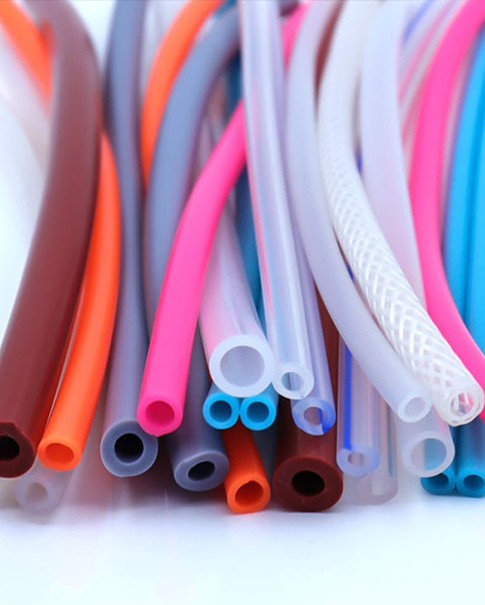
Silicone hoses play a critical role in hydrogen fuel cell systems by providing excellent high-temperature resistance, flexibility, durability, electrical insulation, and lightweight performance. These advantages help improve the safety, efficiency, and service life of fuel cell systems, especially in demanding applications where components must withstand continuous operation, vibration, and thermal cycling.
When selecting a hose material for hydrogen fuel cell applications, material compatibility is essential. Silicone, EPDM, and FKM are three commonly considered elastomer materials for fuel cell systems, with each offering different performance advantages. Silicone hoses are known for their outstanding heat resistance, flexibility, and electrical insulation properties. EPDM provides excellent resistance to water-based coolants and aging, making it suitable for many fuel cell cooling systems. FKM offers strong chemical resistance and high-temperature performance for specific fuel cell environments. However, Nitrile rubber is not recommended for hydrogen fuel cell applications due to its limited suitability in hydrogen-related operating conditions.
As a professional hose manufacturer, Rainbow focuses on developing and producing high-quality fuel cell hoses that meet the requirements of modern energy systems. With professional manufacturing capabilities, customized solutions, technical consultation, and engineering cooperation, Rainbow supports customers in selecting suitable hose materials and designs for different hydrogen fuel cell applications.
Key benefits of silicone hoses in hydrogen fuel cell systems include:
Excellent temperature resistance:Silicone hoses can maintain stable performance under high-temperature operating conditions and repeated thermal cycles.
Superior flexibility and durability:Silicone absorbs vibration and thermal expansion, reducing stress on fuel cell components and connections.
Reliable electrical insulation:Silicone provides strong dielectric properties, helping improve safety in high-voltage fuel cell systems.
Lightweight design:Silicone hoses reduce overall system weight compared with traditional metal piping solutions.
Long service life:Properly designed silicone hoses help reduce maintenance frequency and improve fuel cell system reliability.
High-Temperature Resistance and Thermal Stability
Hydrogen fuel cell systems generate heat during operation, requiring hose materials that can maintain mechanical properties under continuous temperature changes. Silicone is widely selected for fuel cell applications because of its excellent thermal stability and ability to remain flexible after repeated heating and cooling cycles.
The unique siloxane molecular structure of silicone provides superior resistance to temperature fluctuations compared with many traditional rubber materials. Silicone hoses can typically withstand continuous operating temperatures up to approximately 200°C (392°F), making them suitable for demanding fuel cell environments.
EPDM also provides reliable performance in hydrogen fuel cell cooling systems, especially when exposed to water-based coolant mixtures. Its excellent resistance to heat aging and coolant conditions makes it a practical choice for specific cooling applications. FKM offers enhanced chemical resistance and high-temperature capability, making it suitable for fuel cell systems where additional chemical protection is required.
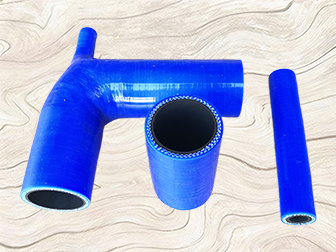
Chemical Resistance and Material Compatibility
Fuel cell systems require hoses that can safely handle different fluids, including coolant solutions and other system media. Material compatibility directly affects reliability, contamination prevention, and long-term performance.
Silicone hoses provide excellent resistance to many fuel cell operating conditions and maintain their flexibility during long-term use. EPDM hoses are widely used in coolant circuits because of their strong resistance to glycol-based fluids and excellent aging properties. FKM hoses provide enhanced resistance in applications requiring higher chemical stability.
For hydrogen fuel cell systems, selecting the correct elastomer is essential. While some rubber materials may perform well in other industries, they are not always suitable for hydrogen fuel cell environments. Nitrile rubber, for example, is generally not recommended for hydrogen fuel cell applications due to compatibility limitations.
Proper material selection helps prevent premature hose degradation, reduces maintenance requirements, and protects the overall fuel cell system. Rainbow works closely with customers to provide customized hose solutions based on application requirements, performance expectations, and operating conditions.
Flexibility, Durability, and Electrical Insulation Advantages
Fuel cell systems experience vibration, mechanical movement, and repeated startup and shutdown cycles. Rigid tubing solutions may transfer stress to connectors and other components, increasing the risk of fatigue and failure. Silicone hoses provide excellent flexibility, allowing them to absorb vibration and thermal expansion while maintaining reliable fluid transfer.
Rainbow silicone hoses can be reinforced with suitable materials to improve pressure resistance and durability for demanding applications. These reinforced structures help extend service life and provide stable performance under continuous operating conditions.
Another important advantage of silicone hoses is their electrical insulation capability. Hydrogen fuel cell stacks operate with high electrical potentials, making insulation performance an important safety consideration. Silicone naturally provides high electrical resistance without requiring conductive additives, helping reduce the risk of electrical leakage between system components.
Compared with heavier metal piping, silicone hoses also offer significant weight advantages. Reduced system weight is especially valuable in applications such as automotive fuel cells, portable power systems, and other mobile energy solutions where power density and efficiency are important factors.
Why Choose Rainbow for Hydrogen Fuel Cell Hose Solutions?
Rainbow specializes in manufacturing high-performance rubber hoses for industrial applications, including hydrogen fuel cell systems. The company focuses on material quality, manufacturing consistency, and customized solutions to meet different customer requirements.
With professional production capabilities, Rainbow provides customized hose development, technical consultation, and engineering cooperation to support customers throughout the product selection and application process. Whether the requirement involves silicone hoses, EPDM hoses, or FKM hoses, Rainbow works with customers to develop solutions that match specific operating conditions.
Each application requires careful consideration of temperature, chemical exposure, pressure, flexibility, and durability requirements. Rainbow combines manufacturing experience with technical expertise to help customers achieve reliable hose performance and long-term system stability.
FAQ
1. Which hose materials are suitable for hydrogen fuel cell systems?
Silicone, EPDM, and FKM are commonly used elastomer materials for different hydrogen fuel cell applications. The best choice depends on temperature, fluid compatibility, pressure, and system requirements.
2. Is Nitrile rubber suitable for hydrogen fuel cell applications?
No. Nitrile rubber is not recommended for hydrogen fuel cell systems because its material characteristics do not meet the requirements of these operating environments.
3. What are the main advantages of silicone hoses in fuel cell systems?
Silicone hoses provide excellent heat resistance, flexibility, electrical insulation, durability, and lightweight performance, making them suitable for demanding fuel cell applications.
4. Does Rainbow provide customized fuel cell hose solutions?
Yes. Rainbow provides professional manufacturing, customized solutions, technical consultation, and engineering cooperation to support customers with different hydrogen fuel cell hose requirements.
Looking For A Reliable Business Partner For Your Next Project?

Business Enquiries
+86 15160066997