
What Are You Looking For?
What Are You Looking For?
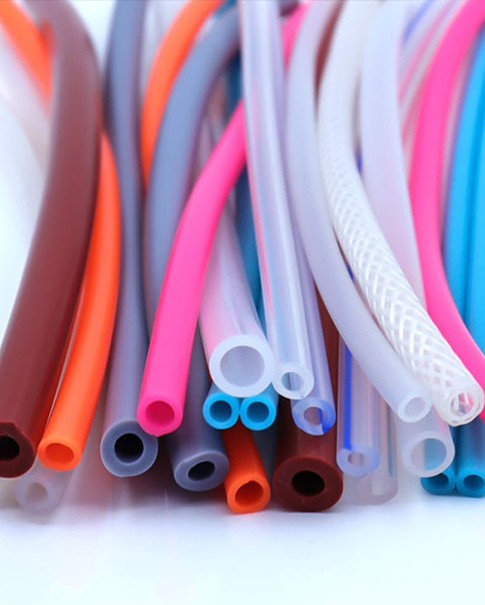

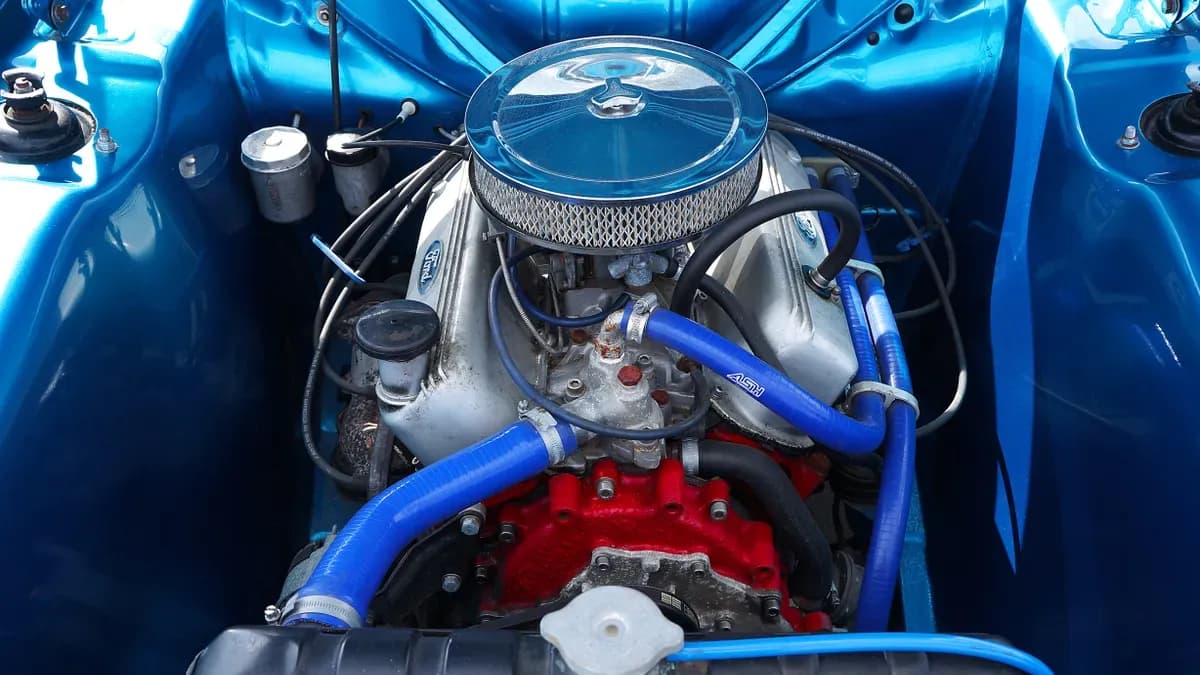
Silicone hoses are the best choice for fuel cell use. You need hoses that last a long time and work well every time. These hoses are strong, bend easily, and resist chemicals. They can handle high heat and work efficiently. Many uses, like fuel cell power systems and factories, need materials that survive tough conditions. These include very hot or cold temperatures, strong vacuum, hydrogen, and rough places. There are dangers like hydrogen leaks, things getting dirty, and hoses wearing out. The table below lists some common problems in hydrogen fuel cell systems:
|
Challenge |
Risk |
|---|---|
|
Hydrogen permeation |
Leakage and efficiency loss |
|
Contamination sensitivity |
Performance and durability impact |
|
Thermal aging |
Material degradation |
|
Pressure pulsation |
Structural fatigue and failure |
Fuel cell silicone hoses help stop hydrogen from leaking. They also keep things clean and stay strong under pressure. Silicone is a clean and tough choice for hard jobs.
Fuel cell systems need hoses that work in hot and cold. Silicone hoses are special because they work in many temperatures. The table below shows how they do in different uses:
|
Application Type |
Temperature Range |
|---|---|
|
Standard Silicone |
-60°C to 180°C |
|
Hot Side Hoses |
-60°C to 260°C |
|
Cold Side Hoses |
-60°C to 180°C |
|
Fuel Cell Applications |
-60°C to 180°C |
Silicone hoses do not get damaged by heat. They stay strong and do not lose power when hot. This makes them great for fuel cell jobs. If you look at rubber or thermoplastic hoses, silicone hoses are better:
Tests in labs show silicone hoses still work after being heated and cooled many times. These tests check if the hoses stay strong, keep their shape, and seal well. This means you get hoses that last longer and do not need fixing often.
Maintaining Flexibility in Cold and Hot Conditions
You need hoses that bend without folding or breaking. Silicone hoses are very bendy and easy to move. Even when it is very cold, they stay soft and easy to use. When it is hot, they do not crack or get hard. This helps you put hoses in small or tricky places in fuel cell systems.
Silicone hoses give you:
You get steady performance and thermal stability. Silicone hoses help your fuel cell system work well, no matter the weather or where you use them.
You want your hydrogen fuel cell system to work for years. A fuel cell silicone hose helps make this happen. These hoses have food-grade silicone inside and strong silicone outside. This lets them work from -40°C to +250°C. They work well in both hot and cold places. Many hydrogen fuel cell vehicles use these hoses because they last. These hoses are tough and keep their shape. They do not leak, even when the system pulls a vacuum. This helps your system work better in vacuum jobs.
Here are some reasons why silicone hoses work well in fuel cell systems:
You need hoses that can handle rough weather. Silicone hoses stand up to UV rays, ozone, and water. They do not break down in the sun or rain. This makes them great for outdoor fuel cell systems. Silicone hoses also last a long time in bad weather. You do not have to worry about them getting weak or breaking.
Silicone rubber stays strong even in tough places. You can use these hoses in boats, outdoor machines, and HVAC systems. They stay bendy and strong, so you do not need to change them often. This saves you money and helps you worry less.
Fuel cell systems use strong chemicals. You need hoses that can handle these chemicals. Silicone hoses are good at resisting chemicals. They protect your fuel cell from hydrogen, oxygen, and acids. They also work well in high heat. This means they are safe for hydrogen use. Silicone hoses do not let silica fillers cause problems like silicon leaching.
Here are the main chemicals silicone hoses must resist:
Silicone hoses work well with coolant fluids. You can use them to move coolants and gases. They do not break down or react with coolants. This keeps your fuel cell stack safe from harm. Reinforced silicone stands up to harsh chemicals and keeps things clean.
Industry rules help you trust silicone hoses. Many hoses meet SAE J20 standards. Some also have IATF 16949 and ISO 9001 certifications. Other hoses follow FDA 21 CFR 177.2600, REACH, and RoHS rules. These rules show silicone hoses are safe and work well in fuel cells.
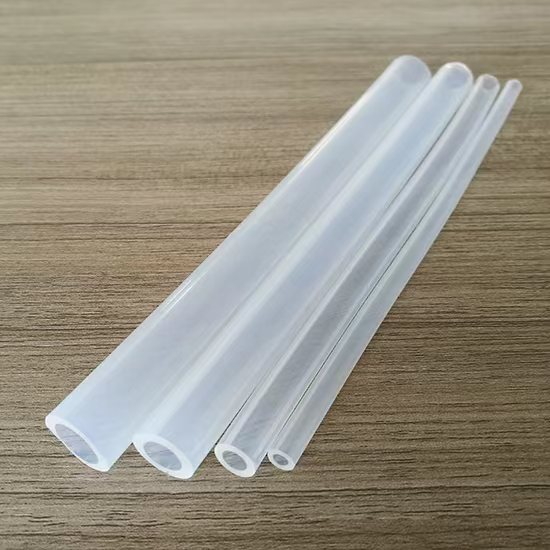
You want your fuel cell system to stay clean. Silicone hoses help lower the risk of contamination. Their clean design keeps bad chemicals out. This makes them great for fuel cell systems that need to stay pure.
Silicone hoses do not let much hydrogen leak out. This helps your system work better. You also get less risk of coolant or chemical leaks. FKM lined silicone hoses are even better at stopping chemicals. They help keep your system clean for a long time.
Here are some ways silicone hoses protect your fuel cell:
You can trust silicone hoses to keep your fuel cell running well. They help stop leaks, contamination, and chemical damage. You get better performance and do not need to fix things as often.
You want your hydrogen fuel cell system to work well. Silicone hoses help keep hydrogen inside the system. These hoses do not let much hydrogen escape. This means you get more power and waste less gas. Your system stays safe from leaks and works better.
Silicone hoses let hydrogen move smoothly. Their strong walls and chemical resistance stop leaks. They can handle high pressure and heat without breaking. This helps the hose last longer and keeps your system safe.
Here is a table that shows how silicone hoses help fuel cell efficiency:
|
Performance Metric |
Improvement Description |
|---|---|
|
Chemical Resistance |
Better strength against harsh hydrogen environments. |
|
Permeation Rates |
Much less hydrogen loss, so efficiency goes up. |
|
Outgassing Characteristics |
Very little outgassing keeps the system clean. |
You get cleaner hydrogen flow and less chance of contamination. This helps your fuel cell stack stay strong and pure.
You need your fuel cell system to run well every day. Silicone hoses help you reach this goal. They are flexible, so you can fit them in tight spaces. You can bend and twist them without cracks or leaks. This makes your fuel cell system easier to build and fix.
Silicone hoses also help control temperature. They keep your fuel cell from getting too hot or cold. Their strong layers add strength and help with cooling. You get hoses that last longer and work better.
Here is a table that shows the benefits of using silicone hoses in your hydrogen fuel cell system:
|
Benefit |
Description |
|---|---|
|
Thermal Management |
Silicone hoses help keep the right temperature, so fuel cells do not get damaged. |
|
Durability |
They can handle tough weather and last a long time. |
|
Flexibility |
You can bend them to fit many different setups. |
|
Reinforcement |
Extra layers make hoses stronger and help with cooling. |
|
Resistance to Environmental Factors |
They stand up to rain, snow, sun, and ozone, so your system is more reliable. |
You get more than just strong hoses. You get hoses that help your fuel cell work better and last longer. Silicone hoses can handle sun, ozone, and bad weather. You do not have to change them often, so you save time and money.
Silicone hoses can handle more heat than rubber hoses. They bend easily and do not break down fast. Rubber hoses can crack or wear out sooner. Silicone hoses last longer and help keep your fuel cell safe.
Yes, silicone hoses do not let much hydrogen escape. This means you lose less gas. Your fuel cell system stays safe and works well.
You can use silicone hoses outside in the sun or rain. They do not get weak from UV rays or bad weather. They stay strong even in tough outdoor places.
Use mild soap and water to clean silicone hoses. Do not use harsh chemicals. Rinse them well and let them dry before using again.
Most silicone hoses work with regular clamps and connectors. Check the size and type before you put them on. This helps stop leaks and keeps your system safe.
Looking For A Reliable Business Partner For Your Next Project?

Business Enquiries
+86 15160066997