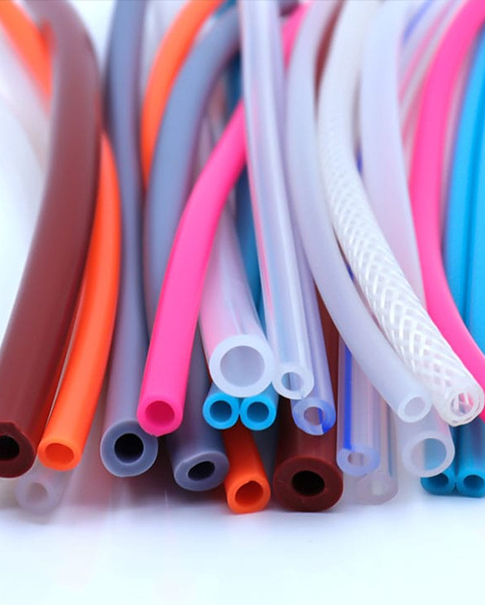
As fuel cell systems, new energy vehicles, and advanced industrial equipment continue to evolve, hose selection is becoming more than a question of flexibility and temperature resistance. Fluid compatibility, chemical stability, cleanliness, and long-term durability can all influence the reliability of a fluid transfer system.
This is particularly important when a hose is exposed to fuels, oils, coolants, aggressive chemicals, or other demanding media. While standard silicone hose offers...
Choosing a hose for chemical transfer is not simply a matter of matching its temperature rating to the operating environment. A hose may remain flexible at high temperatures yet deteriorate when exposed to an incompatible fluid. For engineers and purchasing teams, the real challenge is determining whether the material can withstand the chemical, concentration, and exposure conditions throughout its intended service life.
Understanding how to evaluate compatibility data, recognize material...
Choosing a silicone hose for fuel or chemical service starts with the fluid, not the product label. A hose compatible with a particular gasoline blend may be unsuitable for a cleaning solvent, while a hose described as chemical-resistant may not be suitable for fuel transfer.
The distinction is one of scope. Fuel resistance addresses compatibility with specified fuels. Chemical resistance is a broader term covering compatibility with specified substances, which can include fuels,...