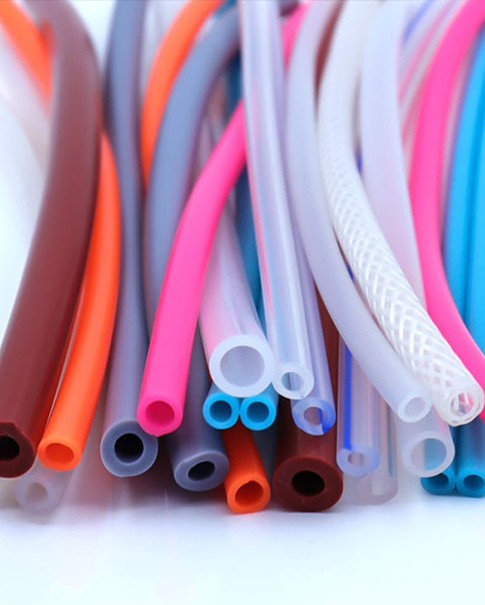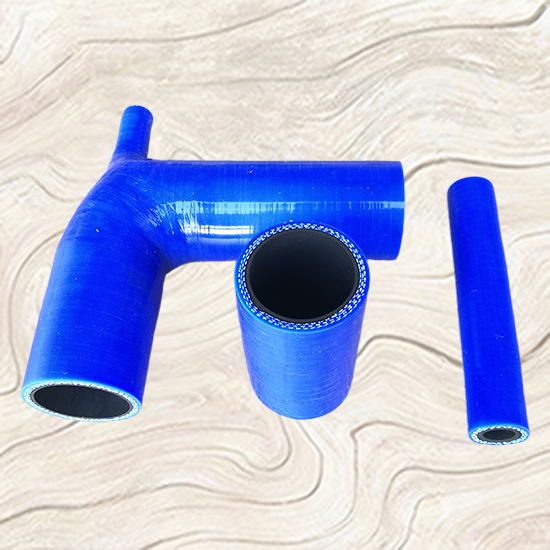
Standard silicone offers excellent durability, weather resistance, and UV protection, but its porous nature makes it unsuitable for oil, oil mist, and fuel applications. That's why RAINBOW has developed advanced VITON Lined Silicone Hose technology, combining high-temp silicone with Aramid reinforcement for a maximum temperature rating of 250°C. These hoses are specially formulated to prevent oil and fuel from penetrating the hose wall, ensuring long-lasting performance.
Our Fuel Cell Silic...
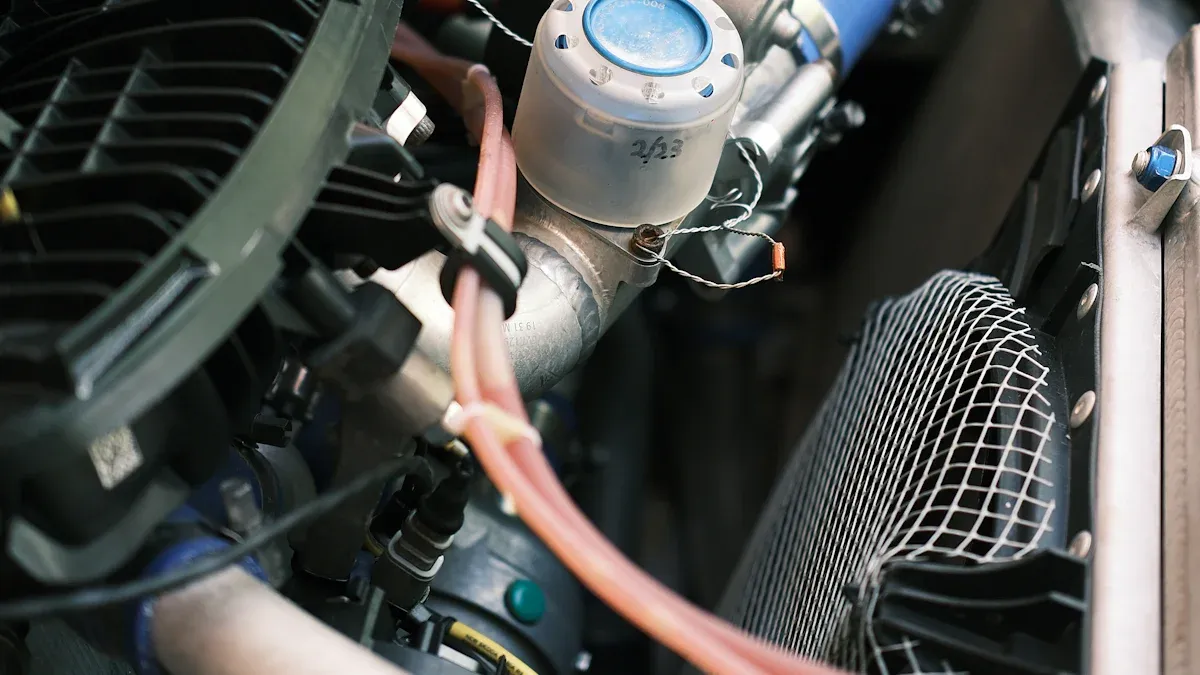
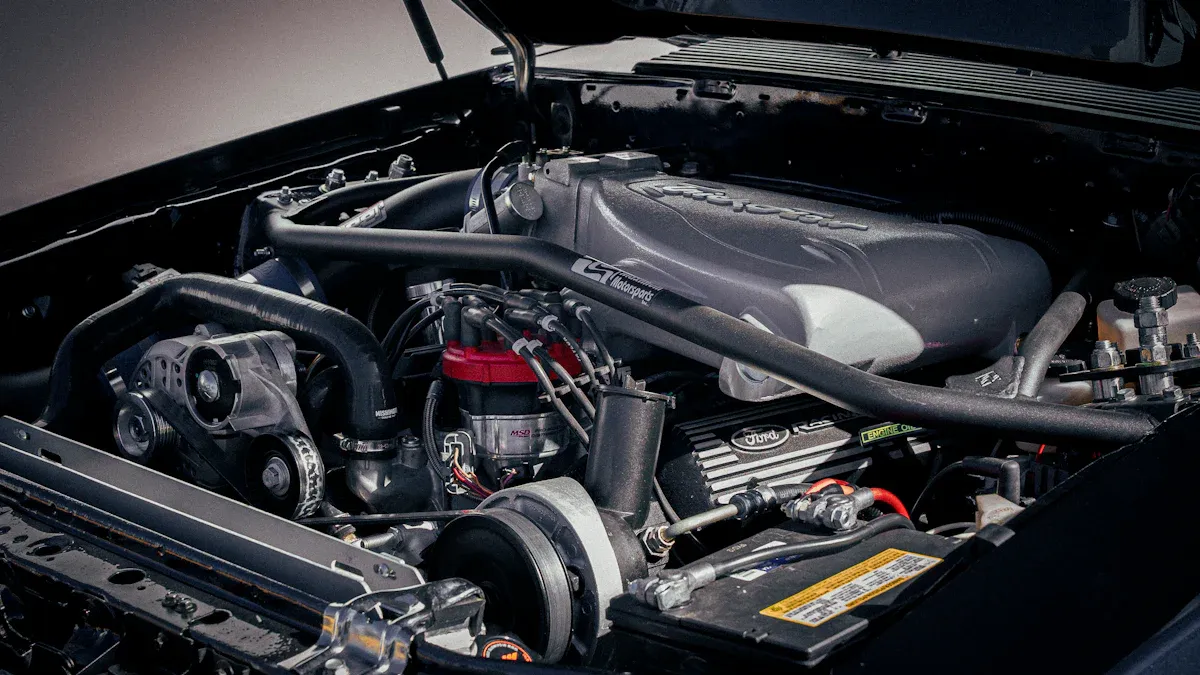
Selecting the right vehicle silicone hose starts with understanding your car’s make, model, and performance needs. Compatibility ensures a proper fit, while durability protects your engine. Always match hose specifications to your application—coolant, turbo, or intake. > Use the checklist below to make a confident, informed choice.
Key Takeaways
Match silicone hoses to your vehicle's make and model for optimal performance and safety.
Choose high-quality silicone hoses with...
I often get asked if a Fuel Cell Silicone Hose is a smart investment. I appreciate its heat resistance, flexibility, and durability. However, I know fuel permeability and cost can be drawbacks. I trust Rainbow for reliable quality, but I always consider my specific application before deciding.
Key Takeaways
Fuel Cell Silicone Hoses offer excellent heat resistance, making them ideal for environments with extreme temperature changes. This prevents unexpected failures in fuel cell syste...
Hydrogen fuel cell systems operate under demanding thermal, chemical, and pressure parameters. As clean-energy technology advances, fluid-handling and thermal management components must meet rigorous performance standards. Standard off-the-shelf options often fall short when exposed to aggressive coolants, high heat, and continuous mechanical stress. Selecting the right silicone hose is a critical engineering step to ensure long-term durability, leak prevention, and system efficiency.
1....
Yes. IATF 16949, the global standard for automotive quality management systems, is a specific certification required for automotive fuel cell silicone tubing. It ensures stable production, controlled processes, and consistent product quality, which are critical for safety, performance, and regulatory approval.
Key Takeaways
Fuel cell silicone tubing must meet strict certifications like ISO 9001, IATF 16949, and SAE J2643 to ensure quality and performance.
Regulatory standards such as...
As fuel cell systems, new energy vehicles, and advanced industrial equipment continue to evolve, hose selection is becoming more than a question of flexibility and temperature resistance. Fluid compatibility, chemical stability, cleanliness, and long-term durability can all influence the reliability of a fluid transfer system.
This is particularly important when a hose is exposed to fuels, oils, coolants, aggressive chemicals, or other demanding media. While standard silicone hose offers...
Silicone hoses play a critical role in hydrogen fuel cell systems by providing excellent high-temperature resistance, flexibility, durability, electrical insulation, and lightweight performance. These advantages help improve the safety, efficiency, and service life of fuel cell systems, especially in demanding applications where components must withstand continuous operation, vibration, and thermal cycling.When selecting a hose material for hydrogen fuel cell applications, material compatibility...