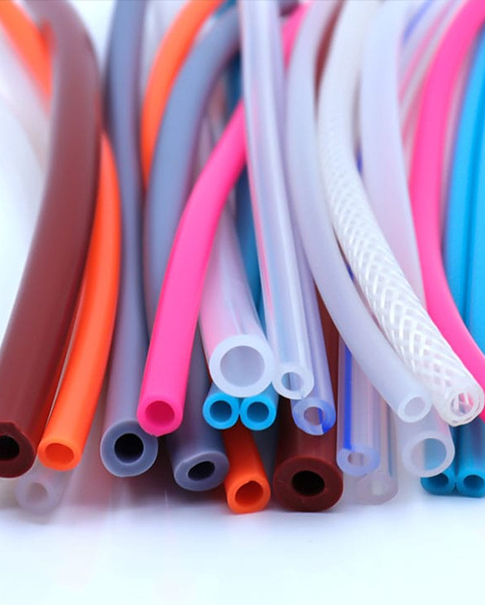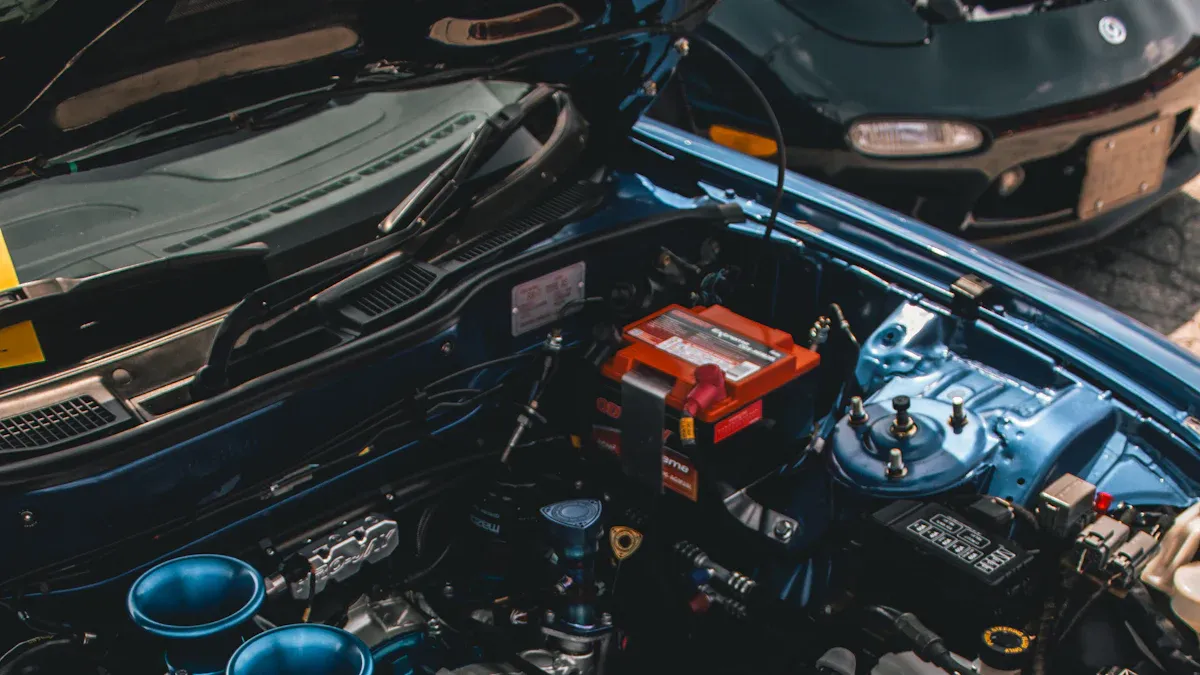
You should choose silicone hoses for most modern vehicles, especially when you want superior temperature resistance, flexibility in cold climates, and long-term durability. A Vehicle Silicone Hose resists UV rays and lasts over a decade without cracking, making it a reliable solution for your coolant system.
Key Takeaways
Silicone hoses offer superior temperature resistance and last up to 20 years, making them ideal for high-performance and electric vehicles.
EPDM hoses are cos...
Upgrading to silicone hoses optimizes engine cooling and peak performance. An automotive silicone hose resists thermal degradation between -50°C and +220°C. Superior pressure retention in silicone hoses eliminates expansion under boost while simplifying routine maintenance. This reliable upgrade protects your cooling system during demanding driving and preserves overall engine component lifespan.
Key Takeaways
Silicone hoses withstand extreme engine temperatures without cracking...
EV thermal management systems place conflicting demands on cooling hoses. Engineers must balance low-temperature flexibility, high-temperature resistance, coolant compatibility, pressure cycling, vibration and long service life in compact packaging. Many teams struggle to decide between silicone, EPDM and PA for different cooling circuits. Choosing the wrong material can lead to premature hose failure, coolant contamination or costly redesign late in the project. This article provides a practica...