Hydrogen fuel cell vehicles are becoming an increasingly important part of the global push toward clean transportation. As more automotive manufacturers, system integrators, and aftermarket distributors enter this space, one practical question keeps coming up: what kind of hose is actually suitable for a hydrogen fuel cell system, and why does the material selection matter so much?
This article addresses that question directly. It explains how a hydrogen fuel cell vehicle works, why silic...
Fuel cell systems require carefully selected hose solutions to ensure reliable hydrogen supply, air management, and thermal control under demanding operating conditions. Choosing the right Fuel Cell Silicone Hose depends on multiple factors, including application requirements, operating temperature, pressure conditions, media compatibility, and cleanliness standards.
Unlike conventional automotive hose applications, fuel cell systems are more sensitive to material performance. Components...
As fuel cell systems, new energy vehicles, and advanced industrial equipment continue to evolve, hose selection is becoming more than a question of flexibility and temperature resistance. Fluid compatibility, chemical stability, cleanliness, and long-term durability can all influence the reliability of a fluid transfer system.
This is particularly important when a hose is exposed to fuels, oils, coolants, aggressive chemicals, or other demanding media. While standard silicone hose offers...
Hygienic processing facilities in food, beverage, dairy, and nutraceutical manufacturing depend heavily on the integrity of their flexible transfer lines. A single material failure can result in batch contamination, unexpected downtime, regulatory penalties, and significant brand damage. Among the available elastomer options, the food grade silicone hose remains the benchmark for critical transfer points where purity, thermal stability, and cleanability are non-negotiable.
Designing or up...
Yes. IATF 16949, the global standard for automotive quality management systems, is a specific certification required for automotive fuel cell silicone tubing. It ensures stable production, controlled processes, and consistent product quality, which are critical for safety, performance, and regulatory approval.
Key Takeaways
Fuel cell silicone tubing must meet strict certifications like ISO 9001, IATF 16949, and SAE J2643 to ensure quality and performance.
Regulatory standards such as...
Modern fluid and air routing systems are rarely as simple as connecting two pipes in a straight line. Automotive cooling systems, turbocharger assemblies, charge air systems, industrial equipment, and other mechanical applications often have limited installation space, different connection diameters, and changing pipe directions.
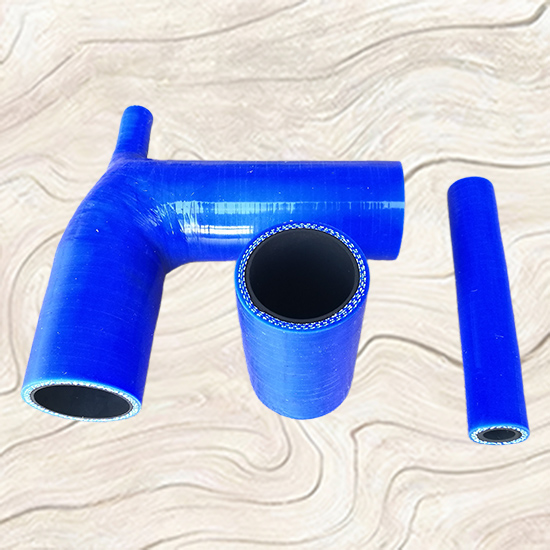
This is where a well-designed universal silicone coupler can make a practical difference. Rather than forcing rigid pipes into an unsuitable position, silicone coupler...
When you build high-horsepower engines, OEM rubber lines harden, expand, and fail under intense heat. Upgrading to a vehicle silicone hose kit from Samco Sport, Mishimoto, or HPS Performance solves this problem fast. Multi-ply reinforced silicone provides awesome pressure retention, superior thermal stability, and ultimate cold flexibility to protect your aggressive tuned ride forever.
Top Vehicle Silicone Hose Upgrades for Power
Radiator and Coolant Hose Kits
Factory coolant lines...
Upgrading to silicone hoses optimizes engine cooling and peak performance. An automotive silicone hose resists thermal degradation between -50°C and +220°C. Superior pressure retention in silicone hoses eliminates expansion under boost while simplifying routine maintenance. This reliable upgrade protects your cooling system during demanding driving and preserves overall engine component lifespan.
Key Takeaways
Silicone hoses withstand extreme engine temperatures without cracking...
As the automotive industry continues to accelerate toward electrification, intelligent driving, and higher vehicle performance, manufacturers are placing greater focus on reliable thermal management and durable lightweight components. From electric vehicles to high-performance engines, every system requires materials that can withstand extreme temperatures, pressure changes, and long-term operation. Recent developments in EV battery cooling and vehicle efficiency have made thermal control...
Hydrogen fuel cell systems operate under demanding thermal, chemical, and pressure parameters. As clean-energy technology advances, fluid-handling and thermal management components must meet rigorous performance standards. Standard off-the-shelf options often fall short when exposed to aggressive coolants, high heat, and continuous mechanical stress. Selecting the right silicone hose is a critical engineering step to ensure long-term durability, leak prevention, and system efficiency.
1....
You may ask if an EPDM hose works well with hydrogen. This hose bends easily and can handle many chemicals. It is simple to put in and take care of. But hydrogen can go through the hose and sometimes make leaks. It can also make the hose weaker as time goes by. High-pressure hydrogen systems are even more risky. You need to check the hose often and follow safety rules. This helps keep your system safe.
Key Takeaways
· EPDM hoses bend easily and are not expensive. Thi...
You should choose silicone hoses for most modern vehicles, especially when you want superior temperature resistance, flexibility in cold climates, and long-term durability. A Vehicle Silicone Hose resists UV rays and lasts over a decade without cracking, making it a reliable solution for your coolant system.
Key Takeaways
Silicone hoses offer superior temperature resistance and last up to 20 years, making them ideal for high-performance and electric vehicles.
EPDM hoses are cos...